A beautiful space is easy to admire. A well-designed space is easy to live, work and spend time in.
That difference is what makes interior design more than a question of colour palettes, furniture and finishes.
Good interior design changes how a space performs.
It can make a small room feel more usable, help people move through a property more naturally, improve comfort and make an ordinary interior feel considerably more considered. In the right setting, it can also influence how much people are willing to pay for or spend time in a property.
This matters whether you are designing a family home, preparing a property for sale, furnishing a rental or creating a commercial environment.
The goal is not simply to make a space look expensive.
It is to make the space work better and make that improvement visible.
Here are five ways thoughtful interior design can increase both the value and functionality of a space.
- It Makes Better Use of the Space You Already Have
One of the most valuable things interior design can do is improve how a space is used.
A room does not necessarily need to be larger to become more useful.
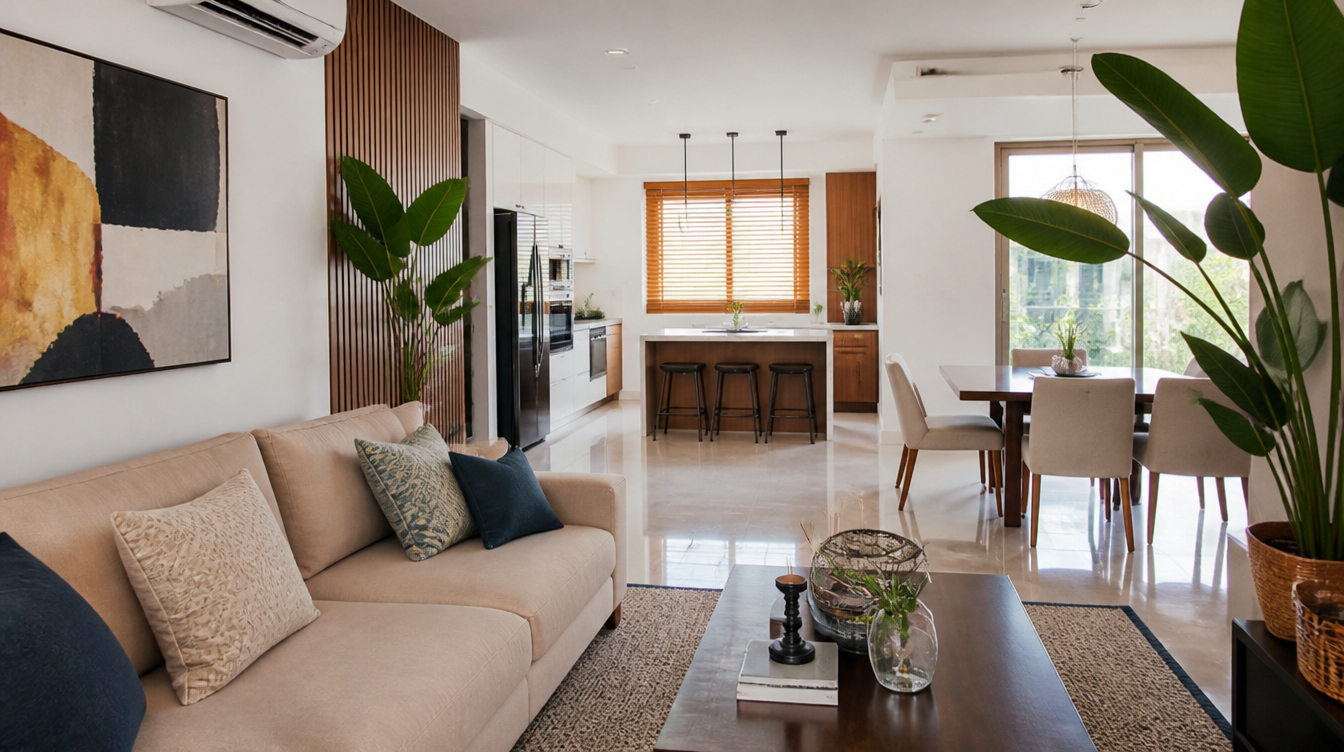
Furniture placement, storage solutions, lighting and layout can determine whether a room feels cramped or comfortable. A poorly arranged living room can waste valuable floor space. A well-planned one can accommodate seating, movement and storage without feeling crowded.
The same principle applies throughout a property.
A kitchen can be organised around how people actually cook. A home office can be designed to separate work from the rest of the living space. Built-in storage can reduce clutter without taking up unnecessary floor area.
This is where design becomes practical.
The best use of space is not always about adding more. Sometimes, it is about wasting less.
- It Can Make a Property Feel More Valuable
People do not experience property value through measurements alone.
They experience it through what they see, touch and feel when they enter a space.
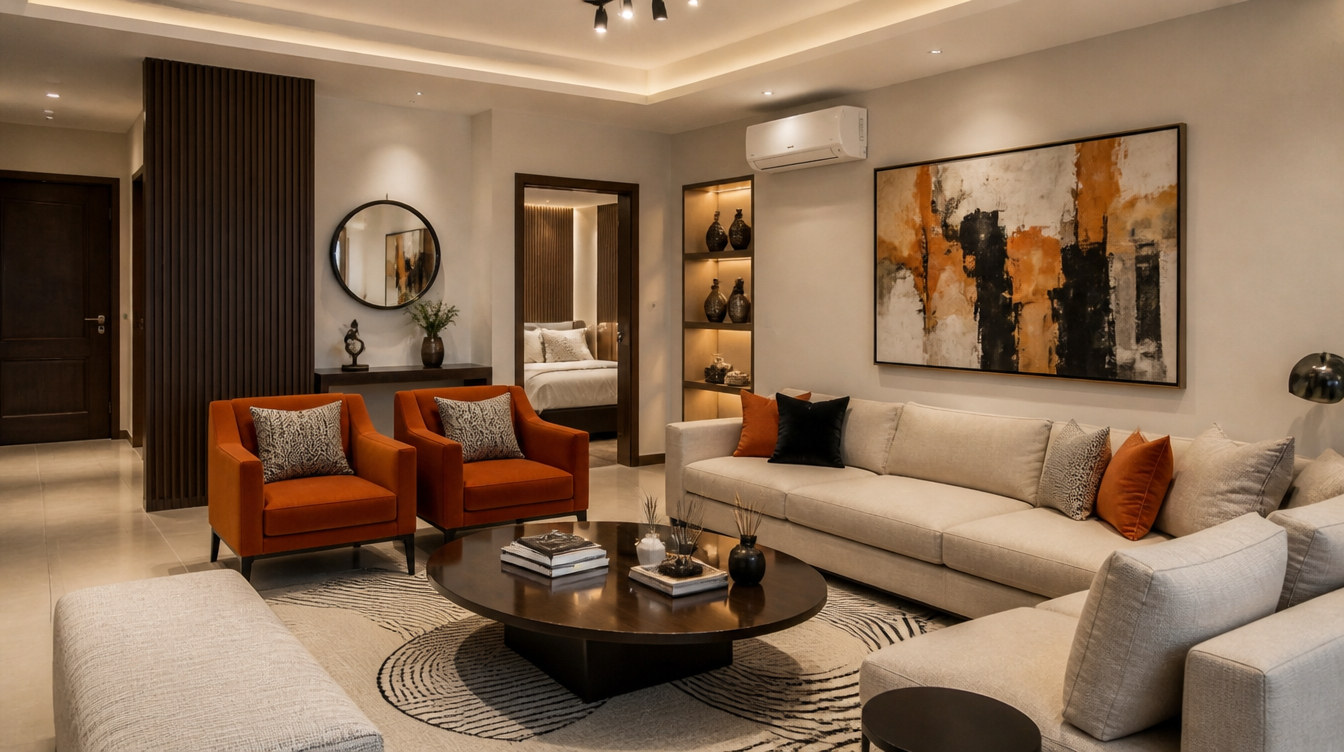
Well-selected materials, cohesive finishes, appropriate lighting and quality fixtures can make an interior feel more refined and intentional.
That perception matters.
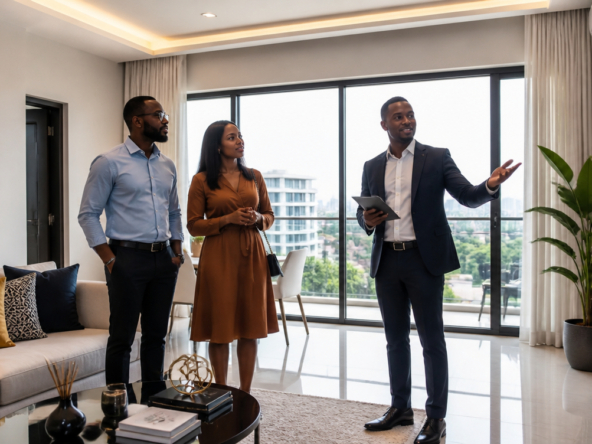
For a property being marketed for sale or rent, the interior can influence a prospective buyer’s or tenant’s first impression. A well-presented space can make it easier for someone to imagine themselves living or working there.
But there is an important distinction between spending more and designing better.
Expensive materials do not automatically create a valuable interior.
A carefully designed space with durable, appropriate finishes can often make a stronger impression than one filled with expensive items that do not work together.
Value is not created by adding the most expensive things to a room. It is created by making the right choices for the space.
- It Improves Comfort and Everyday Experience
A property can be visually impressive and still be uncomfortable to use.
Perhaps there is not enough lighting where people need it. There is nowhere convenient to store everyday items. The furniture is too large for the room. The layout forces people to move awkwardly through the space.
These problems may seem small individually, but they affect how people experience a property every day.
Interior design can address them through choices around lighting, furniture, acoustics, ventilation, materials, storage and spatial arrangement.
For homes, this can make everyday routines easier.
For offices, hotels, restaurants and other commercial spaces, the impact can extend to employees, customers and visitors.
A well-designed environment should not constantly demand attention from the people using it.
When a space works properly, you notice the experience not the problems.
- It Can Help a Property Stand Out in a Competitive Market
When several properties offer similar locations, sizes and basic features, the interior can become a significant point of difference.
This is particularly relevant in competitive rental and sales markets.
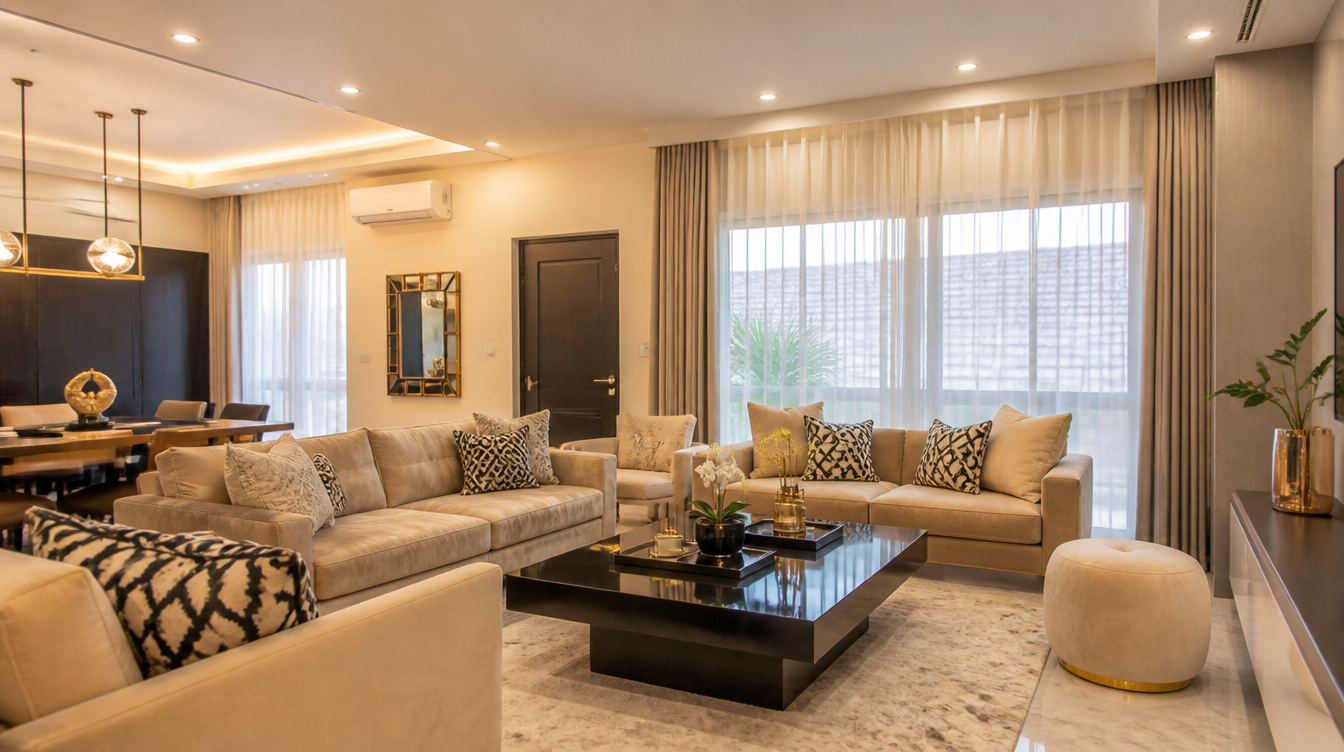
A thoughtfully designed apartment can create a stronger first impression than a comparable property with generic finishes. A well-planned office can communicate professionalism before a meeting even begins. A carefully designed hospitality space can influence how guests perceive the entire experience.
But standing out does not mean following every interior trend.
Trends change.
A strong design considers the property’s architecture, intended users, location and long-term purpose before introducing decorative elements.
The objective is to create a space that feels current without becoming difficult or expensive to update when tastes change.
Good design should give a property character without giving it an expiry date.
- It Protects the Long-Term Use and Appeal of the Property
Interior design decisions should not only be judged by how they look on the day the project is completed.
They should also be judged by how well they perform over time.
Durable flooring matters in high-traffic areas. Easy-to-maintain surfaces can reduce ongoing upkeep. Adequate storage can help prevent clutter. Proper lighting can improve functionality while contributing to the atmosphere of a room.
The right materials and finishes can also make a difference to maintenance costs and longevity.
This is especially important for investment properties.
An interior that photographs beautifully but requires constant repairs may not be a good investment in the long run.
A more considered approach asks:
How will this space look, feel and perform after years of use?
That question often leads to better decisions than choosing finishes based purely on appearance.
Design Is About More Than What the Eye Sees
Interior design is sometimes treated as the final layer added after the important property decisions have already been made.
It deserves more consideration than that.
The way a space is planned can influence how efficiently it is used, how comfortable it feels, how people perceive its quality and how well it performs over time.
For homeowners, that can mean a space that better supports everyday life.
For landlords and property investors, it can contribute to a property’s appeal and usability.
For commercial property owners, it can help create an environment that supports the people using it.
The strongest interiors are not necessarily the ones with the most furniture, the most expensive finishes or the boldest design choices.
They are the ones where form and function work together.
Because when design is done properly, you do not simply get a more attractive space.
You get more from the space you already have.
Looking to create more value from your property?
Keystone’s approach to property goes beyond the structure itself, considering the quality, functionality and experience that shape how a space is ultimately used and valued.
Because good design does not just change how a space looks. It changes what the space can do.