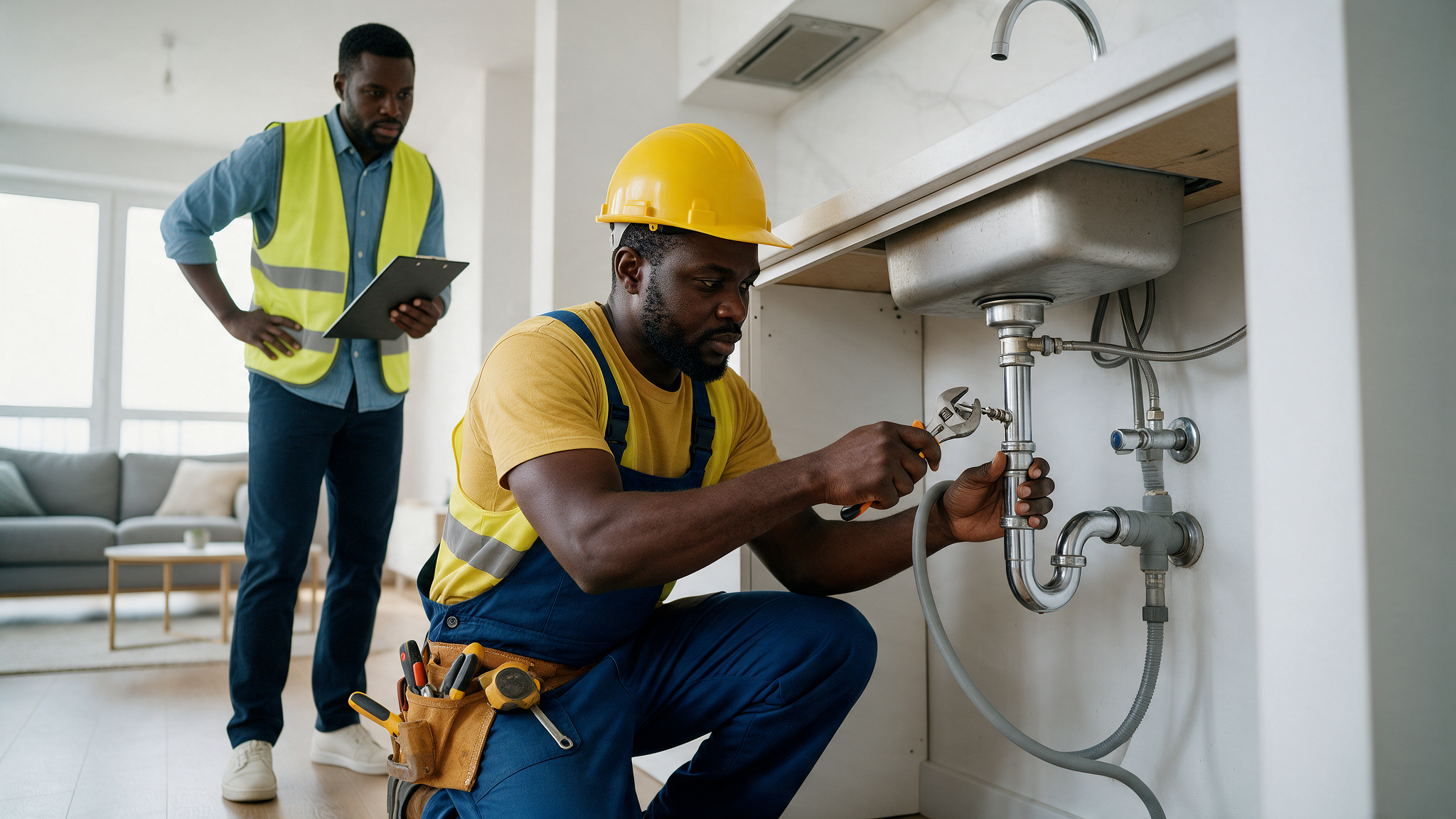
If the only time your property manager calls is when something has gone wrong, you may not be seeing the full job.
Property management is often reduced to collecting rent, responding to tenants and calling a contractor when something breaks. Those are part of the work, but they do not tell you whether a property is being properly managed.
Good property management is a continuous operation. It requires oversight of the property, control of maintenance, proper administration and clear reporting to the owner.
Here is what that actually looks like.
.
- Knowing the Condition of the Property
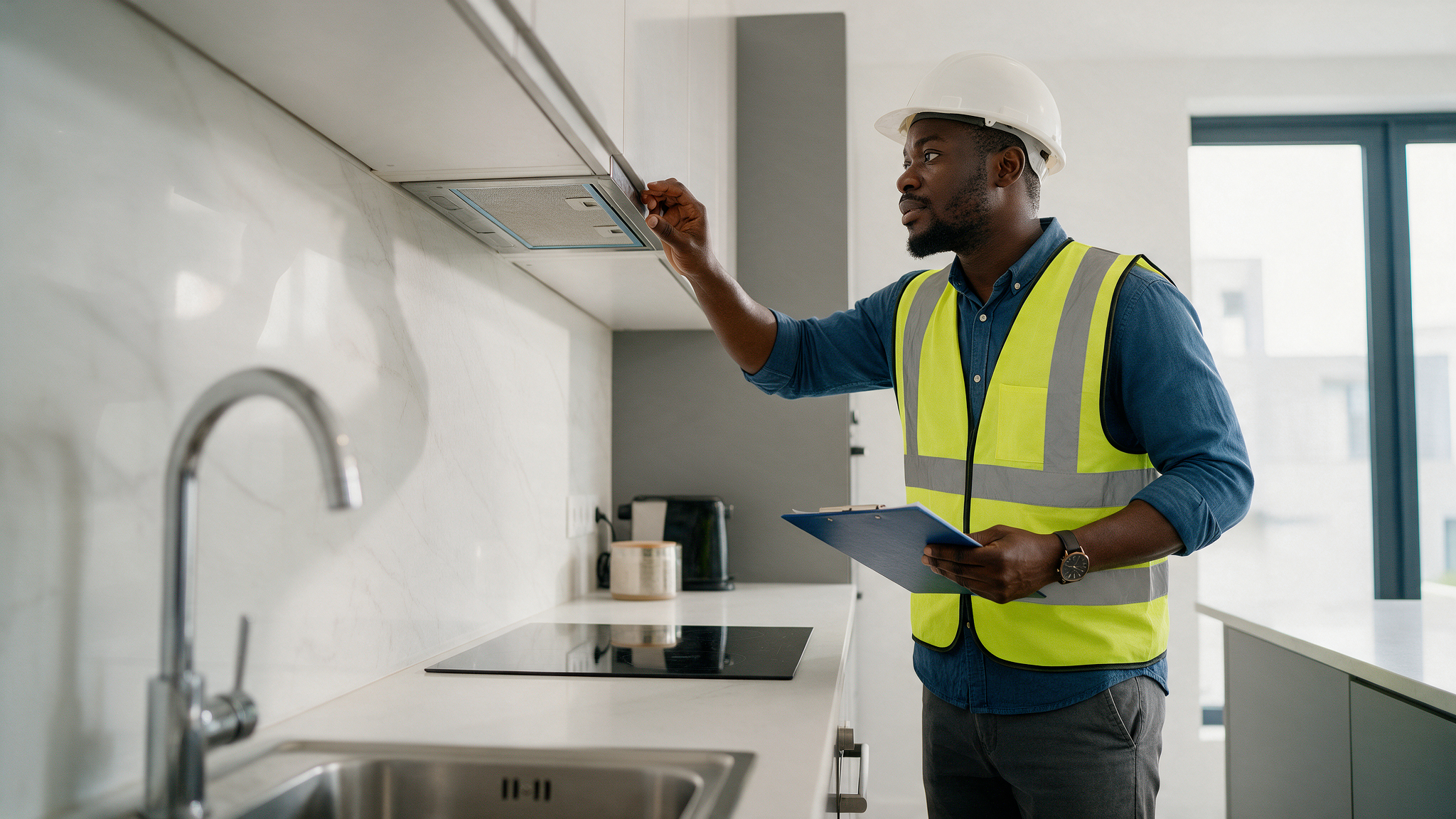
A property manager should know more about a property than whether the rent has been paid.
Regular inspections and proper records help establish its condition over time. That means knowing what has changed, which areas need attention and whether a problem is isolated or part of a larger pattern.
For example, repeated dampness in the same area is different from a one-off plumbing issue. A loose fixture may be minor, while deterioration around it could point to a bigger maintenance concern.
The value of monitoring is not simply identifying defects. It is building a reliable picture of the property so decisions are based on what is actually happening.
- Managing Maintenance, Not Just Calling Contractors
When a tenant reports a fault, calling a contractor is only the first step.
The issue needs to be understood, the appropriate response identified, work assigned, costs assessed and the result checked. Where necessary, the underlying cause also needs to be investigated rather than repeatedly treating the same symptom.
Good maintenance management also means prioritising correctly. A blocked drain, a faulty appliance and a structural concern should not all be treated with the same level of urgency.
The property manager’s role is to coordinate that process and make sure the problem is properly closed out, rather than simply passing the complaint to someone else.
- Keeping the Tenancy Properly Administered
There is another part of property management that is less visible but just as important: keeping the tenancy organised.
Agreements, inspections, maintenance requests, tenant communications, payments, renewals and other relevant records should be properly documented and accessible.
Good administration creates a clear record of what was agreed, what was reported, what action was taken and when.
That matters when questions arise later. Instead of relying on memory or scattered messages, there is a documented history of the tenancy and the decisions made throughout it.
- Giving the Owner Information They Can Act On
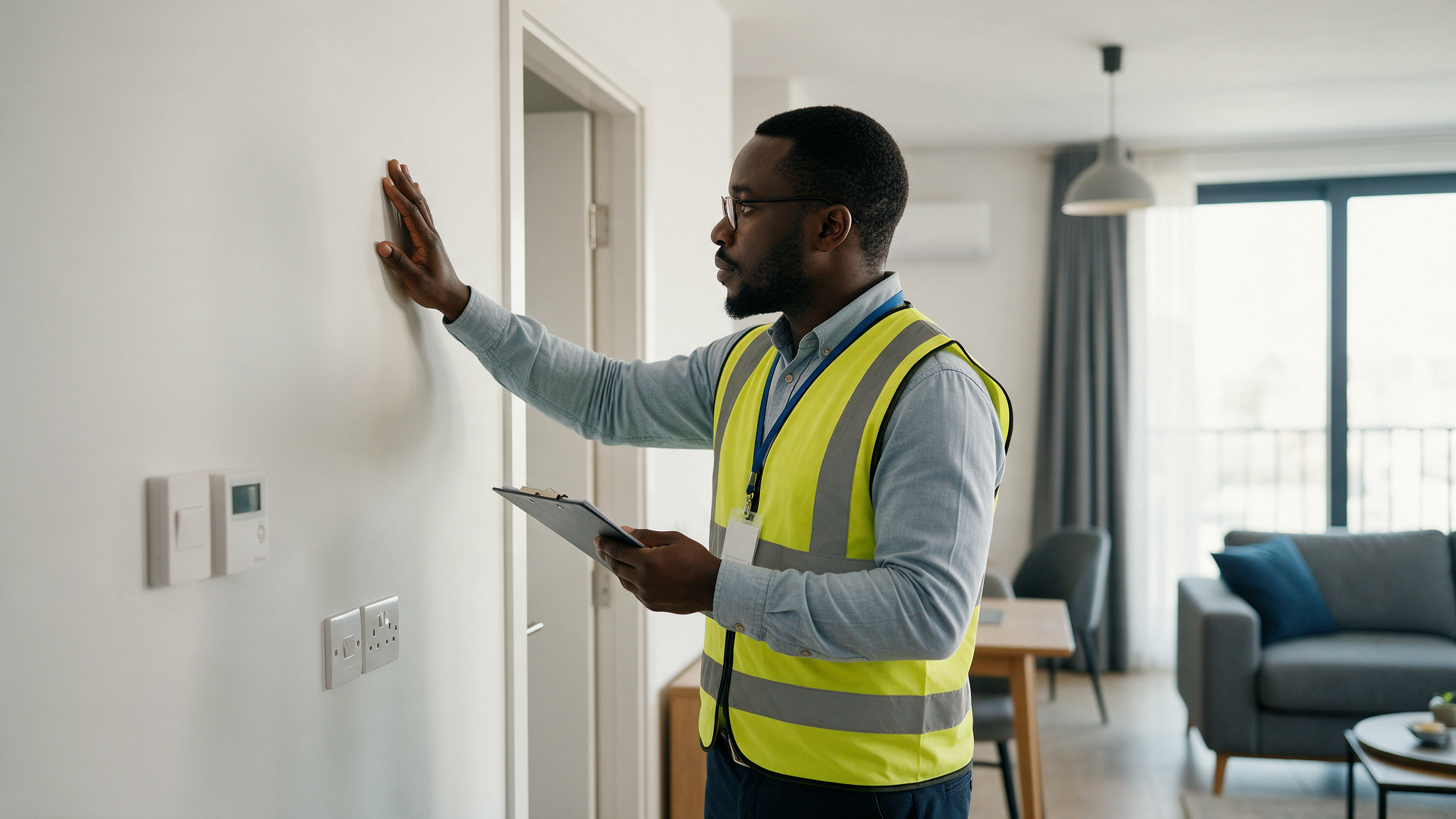
An owner should not have to chase a property manager to find out what is happening with their property.
Useful reporting goes beyond saying that rent was collected or a repair was completed. It should give the owner visibility into relevant maintenance, recurring issues, tenant matters, upcoming work and the general condition of the property.
More importantly, the information should help the owner make decisions.
If a repair keeps recurring, for example, the conversation may need to move from another quick fix to whether a more permanent solution is justified. If several components are approaching the end of their useful life, that may also affect future maintenance planning.
This is where property management becomes more than administration. The manager is helping the owner understand what is happening with the asset and what needs attention next.
Good Property Management Is in the Details
Good property management is not defined by how quickly someone responds when a problem occurs.
It is the systems behind the response: knowing the condition of the property, controlling maintenance properly, keeping the tenancy documented and giving the owner useful information.
Those processes may not always be visible to the tenant or owner. But they determine how well a property is managed over time.
We manage properties with this broader view of the job. From tenancy administration and inspections to maintenance coordination, contractor management and owner reporting, we handle the operational details that keep properties properly managed.
If you want more than someone to collect the rent and call a contractor, talk to us about managing your property.