
A renovation can make a house look better without making it worth significantly more.
That is the trap many homeowners face when preparing a property for sale.
A new kitchen, fresh paint or upgraded bathroom can improve a property’s appeal, but the money spent does not automatically translate into an equal increase in its sale price.
You could spend GHS 150,000 preparing a property for the market and find that buyers are only willing to pay GHS 75,000 more for it.
So before calling a contractor, ask the more important question: will this renovation actually improve the outcome of the sale?
Five considerations can help you decide.
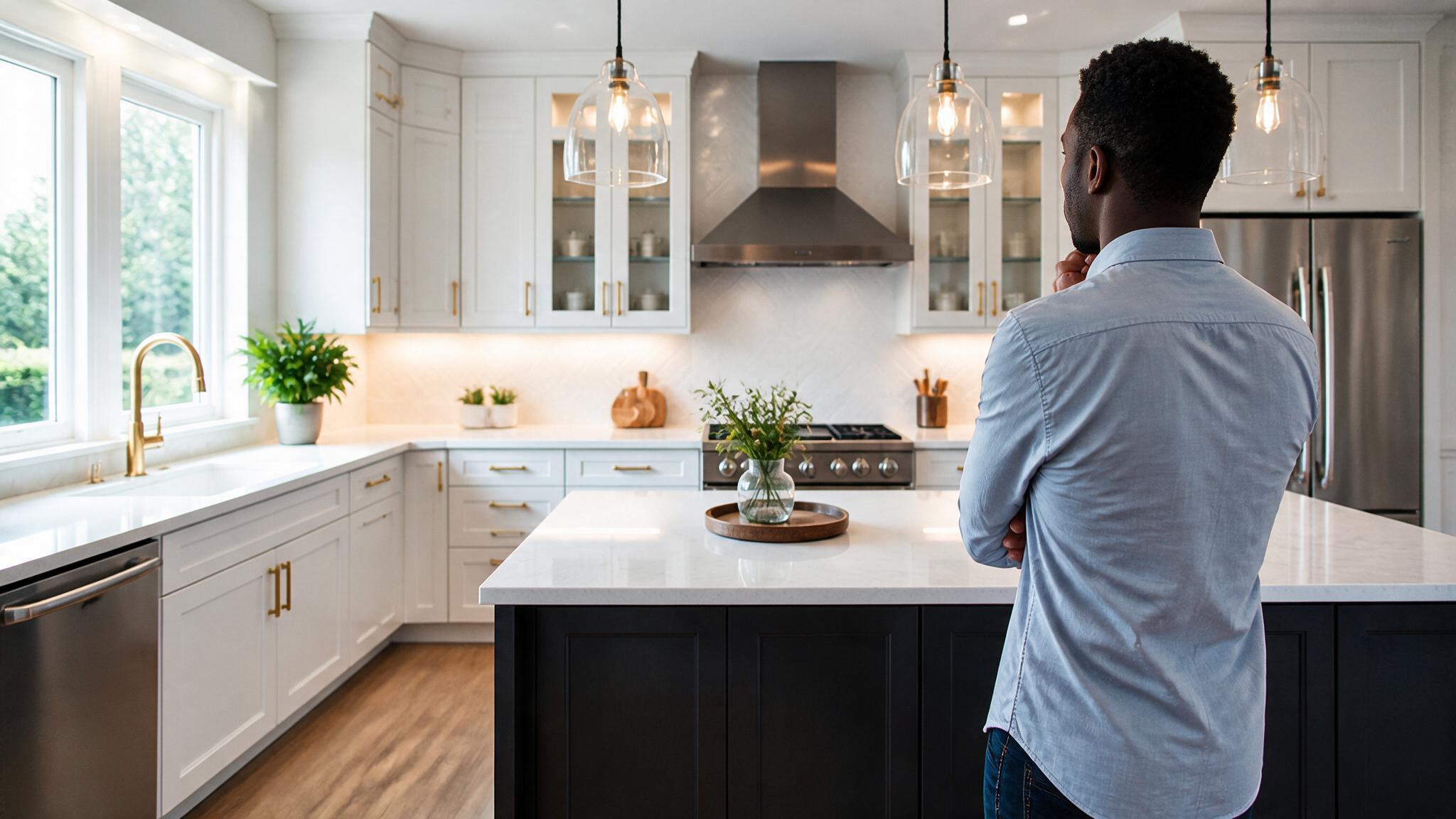
- Establish What the Property Is Worth Before Renovating
Before deciding what to change, establish where the property stands today.
What could it realistically sell for in its current condition?
This gives you a starting point for evaluating whether a renovation is worthwhile.
Look at comparable properties in the same market, taking into account factors such as location, size, condition, land, property type and existing features. A property’s asking price alone is not enough to establish its likely market value.
This baseline matters because without it, renovation decisions can become driven by emotion.
A homeowner may look at an outdated kitchen and think, “This needs to go.” But if similar properties in the area are selling at comparable prices without recently renovated kitchens, a complete replacement may not add enough value to justify the expense.
On the other hand, if the property’s condition is clearly putting it below comparable homes, targeted improvements may help close that gap.
Know what the property is worth before deciding what it needs.
- Identify What Is Actually Holding the Property Back
Not everything that looks old is a problem.
A property can have dated finishes and still be perfectly functional. Buyers can change colours, replace fittings and redesign rooms according to their own preferences.
What deserves more attention are issues that affect the property’s condition, usability or trust in the purchase.
A leaking roof, faulty electrical system, damaged plumbing, serious dampness, broken windows or neglected exterior can create genuine concerns.
These problems can give buyers reasons to reduce their offers or walk away entirely.
The same applies to smaller issues that collectively make a property feel poorly maintained. Peeling paint, damaged fixtures, broken doors and neglected outdoor areas may not require a major renovation, but addressing them can change how the property is perceived.
The key is to distinguish between a property that needs fixing and a property that simply isn’t finished to your personal taste.
You are preparing it for a buyer, not redesigning it for yourself.
- Decide Who You Are Preparing the Property For
There is no universal definition of a desirable interior.
What appeals to a buyer looking for a family home may be very different from what attracts someone purchasing a luxury property or an investment unit.
That means renovation decisions should be connected to the market you are trying to reach.
A high-end property may justify premium materials and finishes that would make little financial sense in a mid-market home.
A family-oriented property may benefit more from practical storage, durable surfaces and a functional kitchen than from expensive decorative features.
A property intended for rental may need to prioritise durability and ease of maintenance over highly personalised design.
This is where sellers can make an expensive mistake: renovating according to personal preference instead of market demand.
You may love a particular finish. That does not mean the next owner will pay a premium for it.
The strongest improvements are usually those that make the property more appropriate for the people most likely to buy it.
Renovate for the market you are selling into, not simply for the home you once wanted.
- Work Out Where Renovation Stops Making Financial Sense
There is a point at which additional spending produces smaller and smaller returns.
That point needs to be identified before the work begins.
Suppose a property could reasonably sell for GHS 1.5 million in its current condition. You estimate that GHS 80,000 of improvements could help position it at around GHS 1.62 million.
That may be worth exploring.
But if the next GHS 100,000 of upgrades is unlikely to move the property’s realistic sale price any further, spending it may simply reduce your return.
There is also the cost of time.
Renovation can delay the listing, extend the period you are carrying the property and add costs such as utilities, maintenance, financing or temporary accommodation, depending on your circumstances.
So the calculation should include more than the contractor’s quotation.
Consider:
Renovation cost + additional holding costs versus realistic increase in sale value.
If the numbers do not leave enough room for a meaningful benefit, the renovation may not be justified.
More improvement does not always mean more value.
- Know When Not to Renovate
Sometimes the smartest renovation decision is to do very little.
If the property is structurally sound, functional, reasonably well presented and priced appropriately for its condition, a major renovation may not be necessary.
This can be particularly true when the likely buyers are people who want to personalise the property themselves.
Instead of spending heavily on a new kitchen, they may prefer to choose their own cabinets.
Instead of replacing every bathroom fitting, they may already have plans for the space.
In that situation, extensive renovation could mean spending your money to create something the buyer may change anyway.
There are also properties where the land, location, size or development potential carries more weight than the interior finishes.
In those cases, the return from a major cosmetic renovation may be limited.
Selling a property in its existing condition is not necessarily a sign that you have failed to prepare it.
Sometimes it is simply the more rational financial decision.
You do not have to improve everything to sell well. You have to understand what is worth improving.
Renovate With a Purpose, Not a Deadline
Renovating before selling can be worthwhile.
But the decision should begin with the property and the market not with a list of upgrades.
Establish what the property is worth today. Identify what genuinely holds it back. Understand the buyer you are trying to attract. Calculate how much additional value the renovation could realistically create. Then consider whether doing nothing or doing less could produce a better outcome.
That approach can prevent a common mistake in property selling:
spending money simply because you believe you have to.
A well-presented property may sell more effectively. A properly maintained property can give buyers greater confidence. A targeted improvement can make a meaningful difference.
But renovation should have a job to do.
If you cannot explain what the improvement is expected to achieve, how much it will cost and why the market is likely to reward it, it may not belong on the renovation list.
The objective is not to sell the most renovated house. It is to make the smartest investment before the sale.
Thinking about selling your property?
Before committing to renovations, consider the property’s current position, its target market and what buyers are likely to value.
Because the best pre-sale renovation is not the one that changes the most. It is the one that makes the most sense.