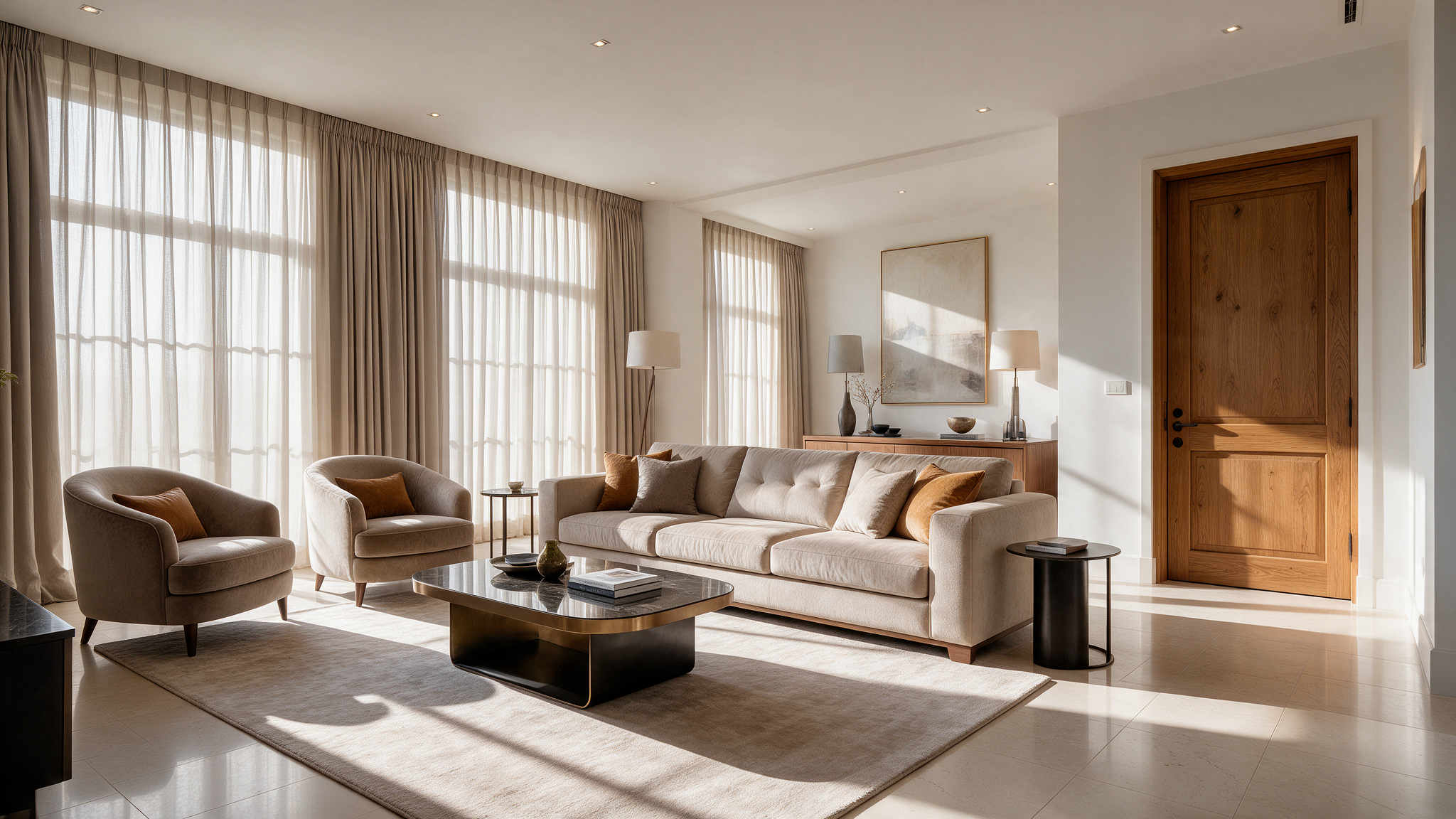
A refurbishment can improve a property without changing everything in it.
A property can have dated finishes and still have a perfectly good layout. Its floors may have years of life left in them. Its original doors or windows may be worth keeping.
Yet during refurbishment, it is easy to look at the property as a list of things to replace.
That approach can lead to unnecessary work, higher costs and changes that do little to improve how the property actually performs.
Good refurbishment requires a more careful assessment: what needs attention, what can be improved and what should be left alone?
- The Layout, If It Already Works
Open-plan layouts and larger living spaces may be popular, but that does not make every existing floor plan a problem.
If the rooms are well proportioned, movement through the property is comfortable and the spaces serve their intended purpose, changing the layout may create more work without solving anything important.
Moving walls can also trigger additional electrical, plumbing, flooring and finishing work.
So before removing a wall, identify the problem it is supposed to solve.
If the issue is furniture placement, poor storage or an outdated finish, structural changes may be unnecessary.
A different layout is not automatically a better layout.
- Materials That Still Have Useful Life
A material does not become unusable simply because it has been there for several years.
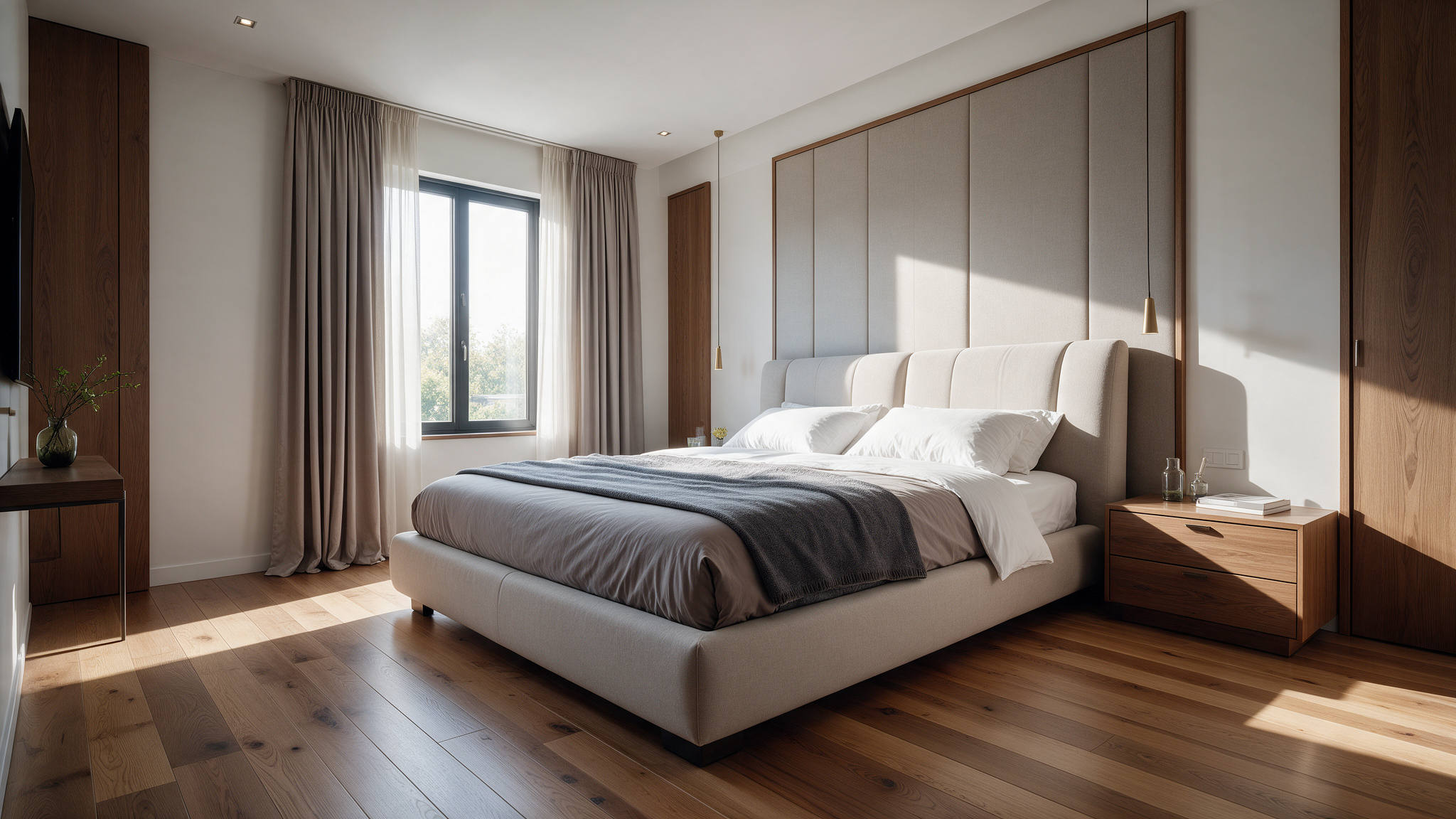
Good-quality timber doors, flooring, cabinetry, countertops and fittings can often be repaired, refinished or incorporated into a new design.
That matters because replacing a sound feature comes with more than the cost of the new material. There is the cost of removal, disposal, installation and the additional work that may follow.
The better question is not, “How old is it?”
It is, “Is it still performing well, and does keeping it limit the refurbishment in any meaningful way?”
If the answer is no, replacement may not be necessary.
- Architectural Features That Give the Property Character
Refurbishment can sometimes remove features that would have been difficult to recreate.
Original timberwork, doors, windows, ceiling details and other architectural elements can give a property a distinct identity.
That does not mean every old feature should be preserved. Some may be damaged, inefficient or unsuitable for the property’s intended use.
But where an existing feature is sound and can work within the new design, keeping it can produce a better result than replacing it with something generic.
A property can be updated without erasing everything that makes it recognisable.
Modern does not have to mean stripped of character.

- Changes That Only Make the Property Look Newer
Cosmetic work has its place. A tired finish can affect how a property is perceived and, in some cases, its ability to attract tenants or buyers.
But appearance alone should not determine the refurbishment budget.
Replacing a functioning kitchen because the cabinets are no longer fashionable is one decision. Addressing poor ventilation, leaking plumbing, inadequate lighting or water damage is another.
When the budget is limited, the second category deserves attention first.
A property that looks impressive but has unresolved maintenance problems is not a successful refurbishment.
Prioritise the changes that improve the property’s condition, function or suitability for its intended use.
Leave Some Things Alone
A well-executed refurbishment is selective.
It does not remove every old feature. It does not chase every new finish. And it does not spend money simply because a budget is available.
It looks at the property as it stands and separates what needs to change from what is already working.
That might mean keeping a sound floor, retaining a practical layout, restoring an original door or spending money on the infrastructure that is easy to overlook.
The best refurbishment is not necessarily the one that changes the most. It is the one that leaves the property with fewer problems and a clear reason for every major change.
Before the first wall comes down or the first finish is selected, decide what the property can keep.
That decision could save more than money. It could preserve what was already working.