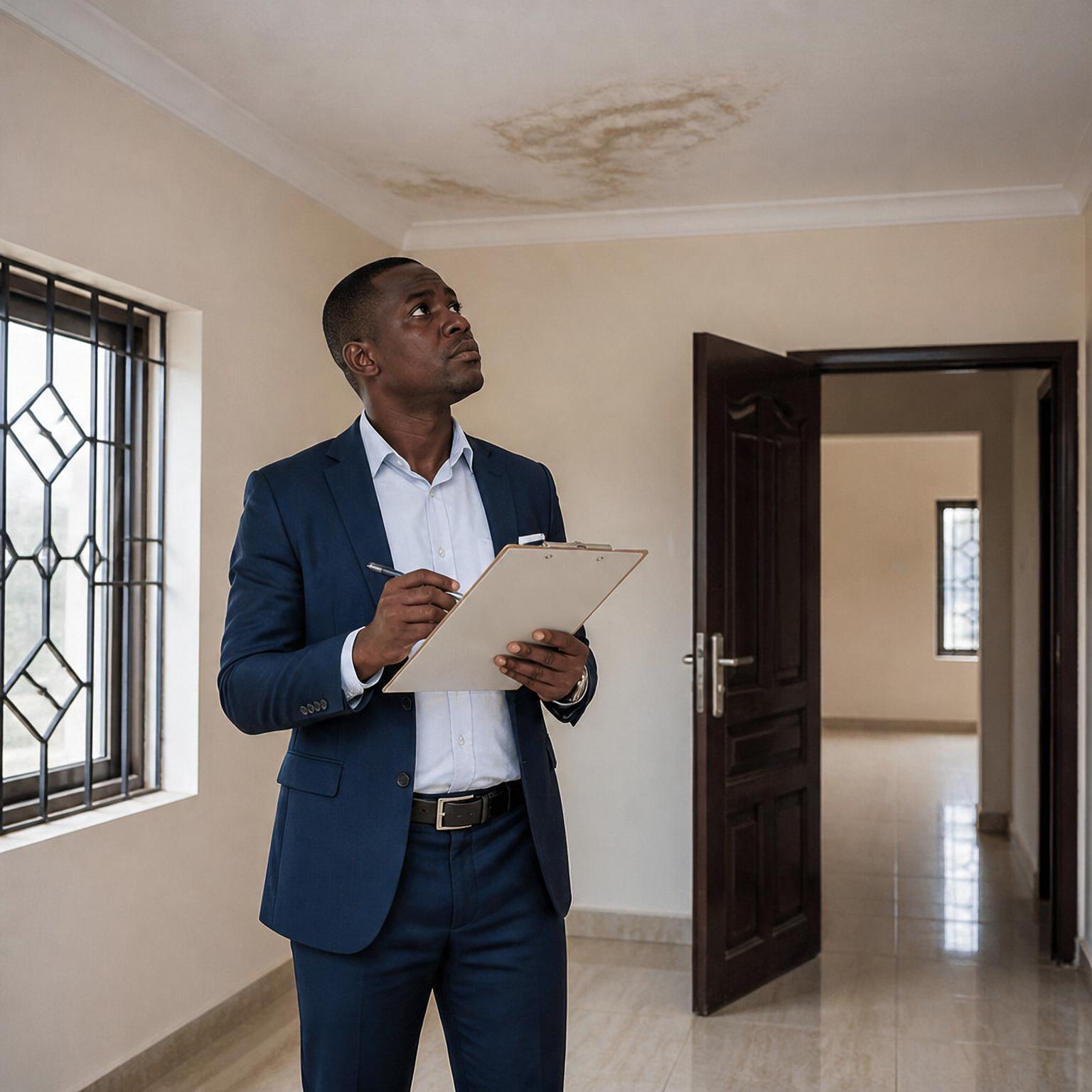
A vacant property doesn’t simply sit and wait for its next occupant; it continues to age, respond to the environment, and, if left unattended, lose value. A hidden plumbing leak after a heavy downpour, an overgrown compound that signals no one is around, or a minor electrical fault left unnoticed can quietly turn a valuable asset into an expensive problem. By the time a buyer schedules a viewing or a tenant is ready to move in, small issues may have already affected the property’s appeal and market value. The truth is, a vacant property often needs more attention than an occupied one.
Whether you’re waiting for the right buyer, searching for a tenant, renovating your property, or living outside Ghana, protecting an unoccupied home should be part of your property investment strategy.
Here are six practical ways to safeguard your investment and preserve its value.
-
-
- Understand the Risks That Come With a Vacant Property
An occupied home has one major advantage: someone notices when something goes wrong. A vacant property doesn’t.
Without regular activity, minor issues can remain unnoticed for weeks or even months. A leaking pipe may cause extensive water damage before it’s discovered. A blocked drain can worsen during the rainy season. Pest infestations may spread unnoticed, and an untidy property can attract trespassers or vandalism.
Understanding these risks helps property owners take preventive action instead of waiting until problems become costly.
- Carry Out Routine Property Inspections
Routine inspections are one of the simplest and most effective ways to protect a vacant property.
The purpose of an inspection is not to carry out repairs, it’s to identify problems before they become expensive. During each visit, inspect the roof, plumbing, electrical systems, windows, doors, drainage, and exterior walls. After heavy rains, check for leaks, dampness, or signs of structural damage.
If you’re living outside Accra or abroad, arrange for a trusted representative or professional property manager to inspect the property on your behalf and provide regular updates.
Small issues are far easier and far less expensive to address when they’re discovered early.
- Invest in Preventive Maintenance
Finding a problem is only half the job. Acting on it quickly is what protects your property.
Preventive maintenance focuses on resolving small issues before they affect the building’s condition or become expensive repairs. Clearing gutters before the rainy season, sealing minor cracks, servicing drainage systems, and repairing damaged roofing materials all help extend the life of the property.
Many expensive property repairs begin as routine maintenance tasks that were postponed.
For property owners, preventive maintenance isn’t simply an expense, it’s an investment in preserving the property’s value and reducing future repair costs.
- Keep the Property Ready for Buyers or Tenants
A vacant property can receive an enquiry at any time.
If a prospective buyer or tenant requested a viewing tomorrow, would the property create the right first impression?
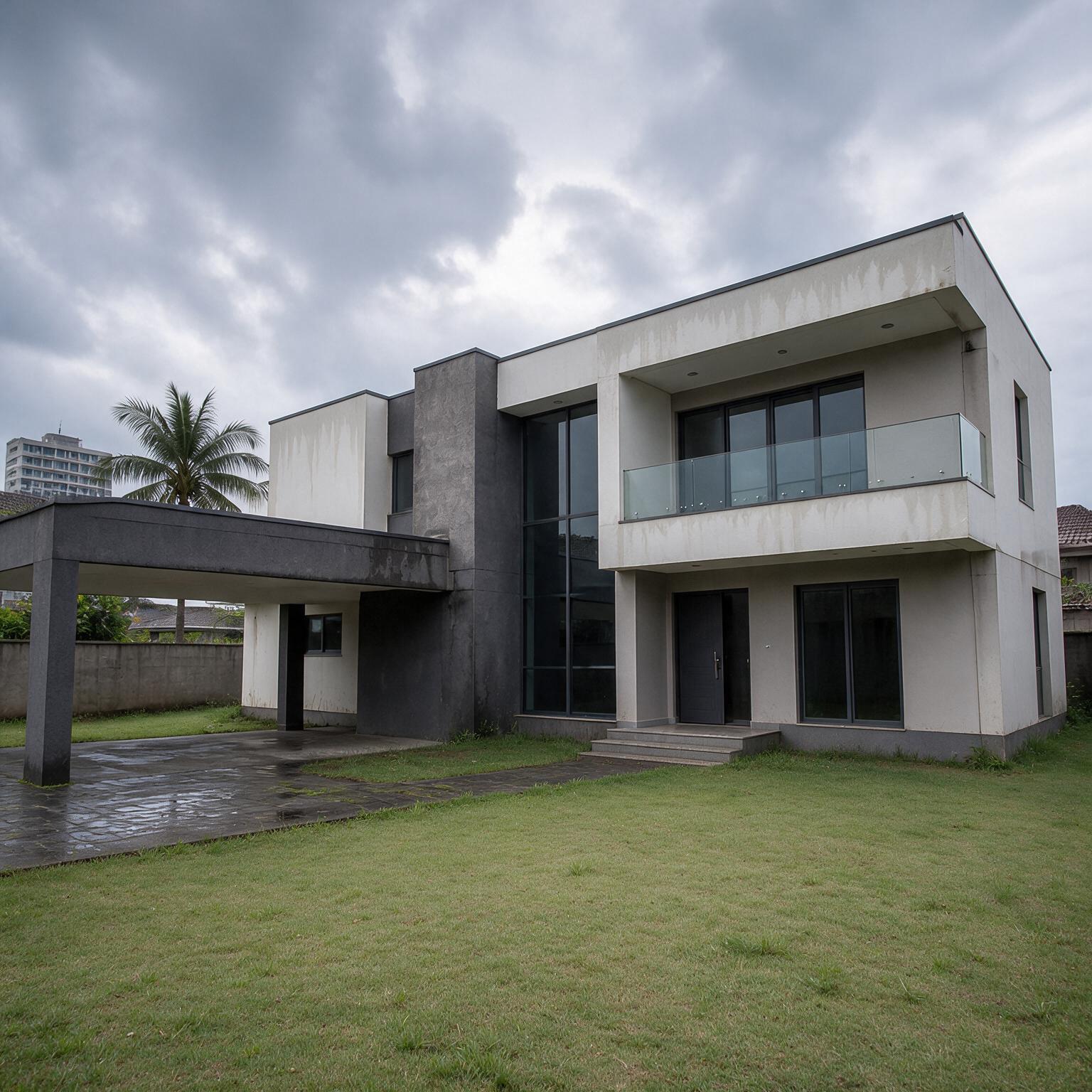
Presentation plays a significant role in the real estate market. An overgrown compound, dusty interior, peeling paint, or broken outdoor lighting can make buyers question how well the property has been cared for.
To keep your property market-ready:
Maintain the landscaping.
Keep the interior clean and ventilated.
Repair cosmetic damage promptly.
Ensure lighting and external features remain functional.
Properties that are consistently well-presented are often easier to rent, easier to sell, and more likely to attract serious enquiries.
-

- Don’t Overlook Insurance and Utility Management
Protecting a vacant property involves more than maintaining the building itself.
Many property owners forget to review their insurance policy after a property becomes vacant. Depending on the terms of your policy, extended vacancy periods may affect coverage or require additional conditions to remain valid.
Utility systems also need attention. Plumbing, electrical installations, water storage systems, drainage, and backup power equipment should be checked periodically to ensure they remain in good working condition.
It’s also important to keep property records, utility accounts, and other essential documentation organised and up to date. These small administrative responsibilities can prevent unnecessary complications when it’s time to rent, sell, or reoccupy the property.
- Consider Professional Property Management
Managing a vacant property requires consistency, especially if you own multiple properties, have a demanding schedule, or live outside Ghana.
Professional property management provides structured oversight through routine inspections, maintenance coordination, contractor supervision, security monitoring, and regular reporting. This proactive approach helps identify issues early, coordinate timely repairs, and keep the property in excellent condition while it remains unoccupied.
For many property owners, particularly investors and members of the Ghanaian diaspora, professional management provides confidence that their investment is being actively cared for even when they cannot be there themselves.
Protect Your Property Before Problems Develop
Vacant properties don’t lose value overnight. More often, they decline because small problems are left unnoticed until they become expensive repairs, security concerns, or obstacles to renting or selling.
By understanding the unique risks of vacant properties, carrying out regular inspections, investing in preventive maintenance, keeping the property market-ready, managing insurance and utilities responsibly, and seeking professional oversight when needed, property owners can preserve both the condition and long-term value of their investment.
At Keystone Group Ghana, we help property owners protect their investments through professional property management services tailored to the realities of Ghana’s real estate market. From routine inspections and maintenance coordination to ongoing property oversight, we help ensure your property remains secure, well-maintained, and ready for its next opportunity.
A vacant property shouldn’t be left to chance. With the right strategy, it can remain one of your strongest investments.