A property viewing rarely lasts more than an hour, but the decisions you make during that visit can affect your finances for years. Many buyers walk into a home imagining where the sofa will go or how they’ll decorate the bedrooms. Experienced buyers, however, focus on something else entirely; they’re looking for the signs that reveal whether the property is a smart investment or an expensive mistake.
Whether you’re buying your first home, upgrading to a larger property, or investing in real estate, a viewing is your opportunity to look beyond appearances.
Here’s a practical property viewing checklist to help you make a more informed decision before buying a home in Ghana.
-
-
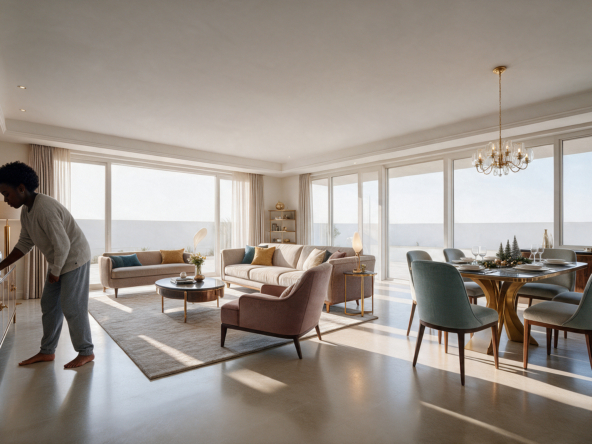
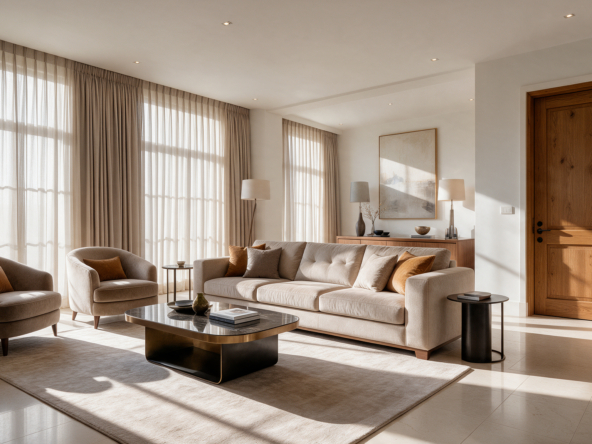
- Look Beyond the Interior Design
A beautifully furnished home can make a strong first impression, but furniture, artwork, and décor aren’t part of the property you’re buying.
Instead of focusing on how the space looks, pay attention to the quality of the building itself. Ask yourself:
Does the layout suit your lifestyle?
Is there enough natural light and ventilation?
Are the rooms practical and well-designed?
Does the property feel well maintained?
A fresh coat of paint can improve appearance, but it can’t hide poor planning or low construction quality forever.
- Check the Condition of the Building
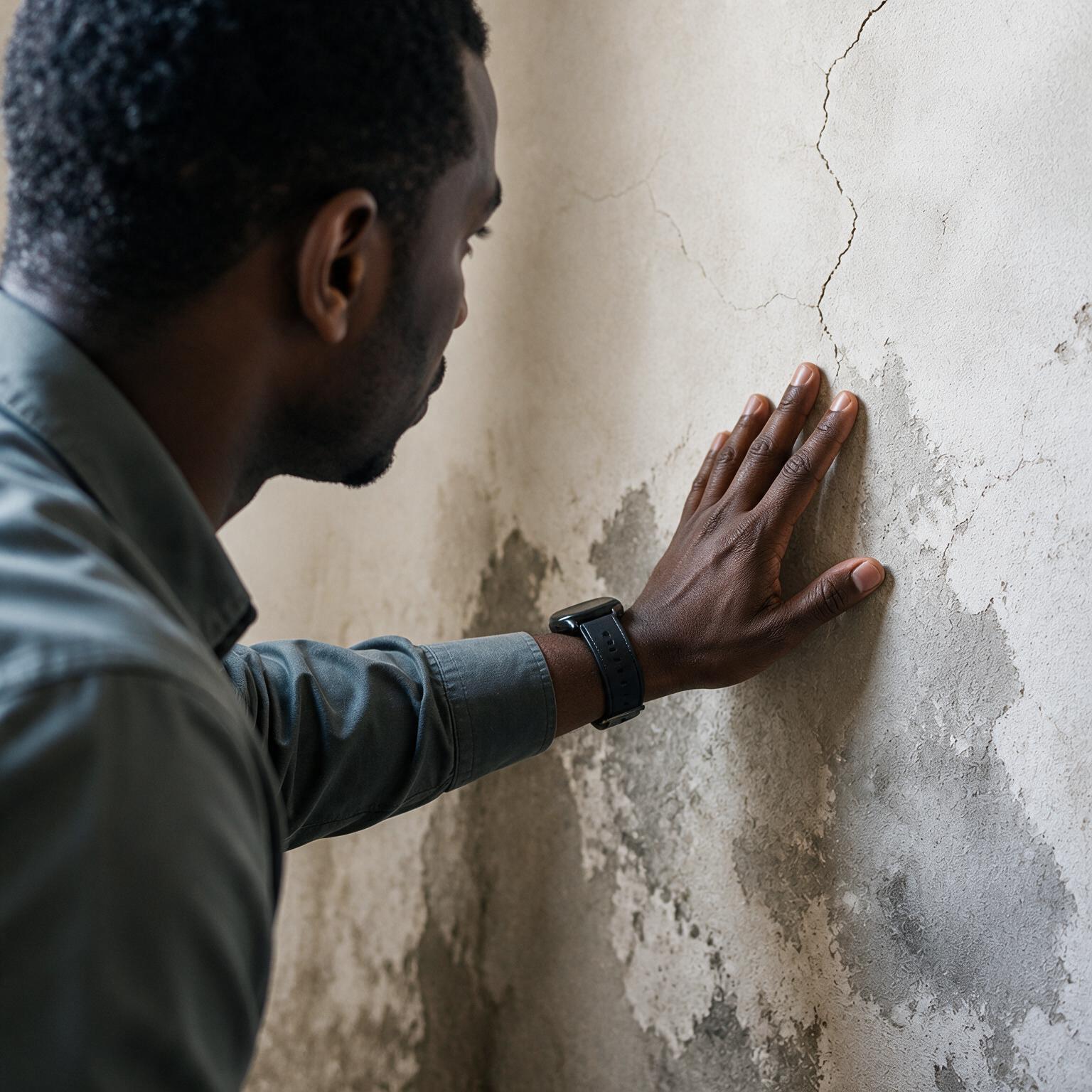
One of the main goals of a property viewing is to identify potential issues before they become your responsibility.
Take time to inspect key areas such as:
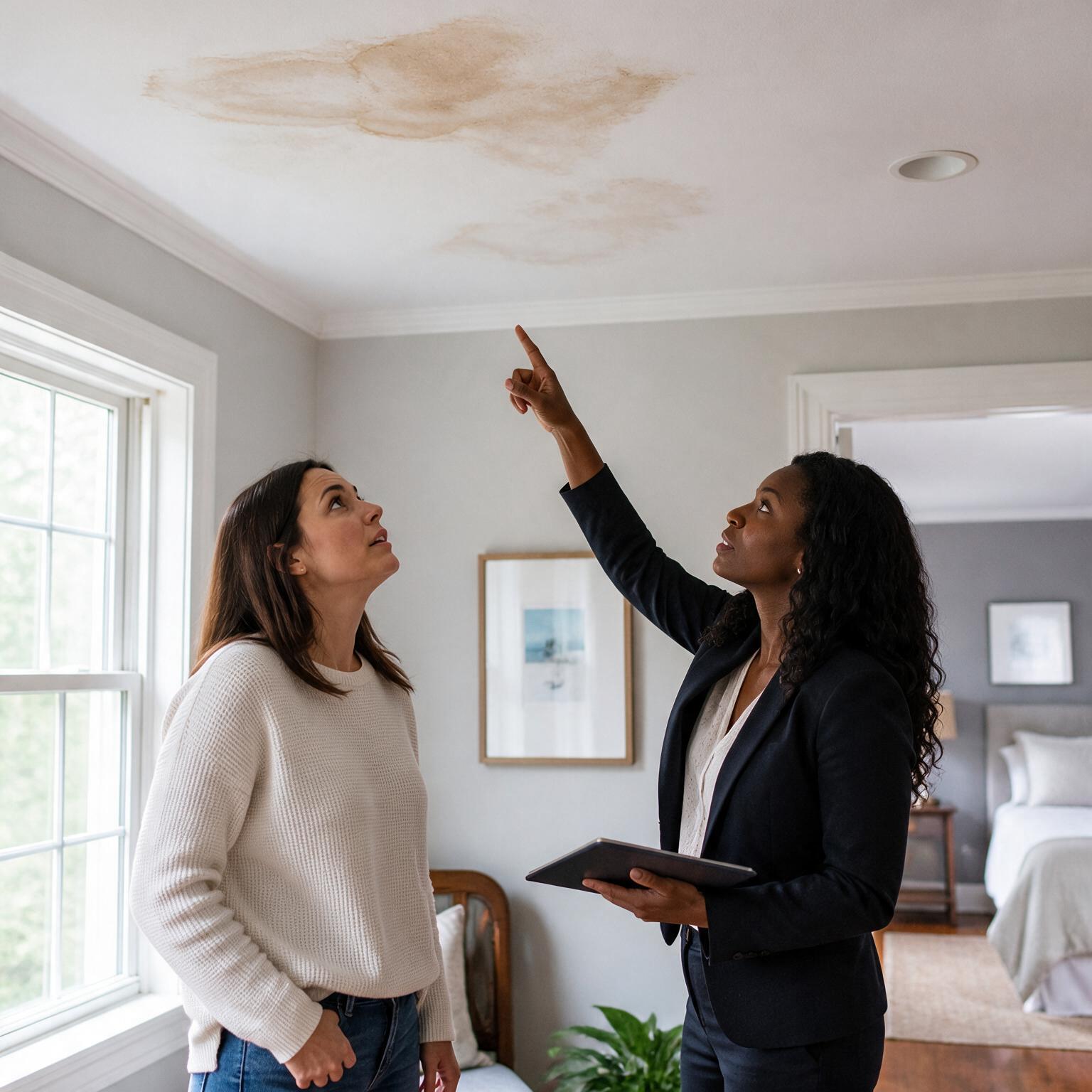
Walls and ceilings for cracks or damp patches.
Floors for uneven surfaces or loose tiles.
Doors and windows to ensure they open and close properly.
Roofing, where visible, for signs of damage or leaks.
Minor cosmetic repairs are common, but structural concerns can lead to significant repair costs. If something doesn’t seem right, don’t hesitate to ask questions or request a professional inspection before making a commitment.
- Test the Features You’ll Use Every Day
Many buyers inspect a property without testing anything.
A viewing is the perfect opportunity to check whether essential systems are working as expected.
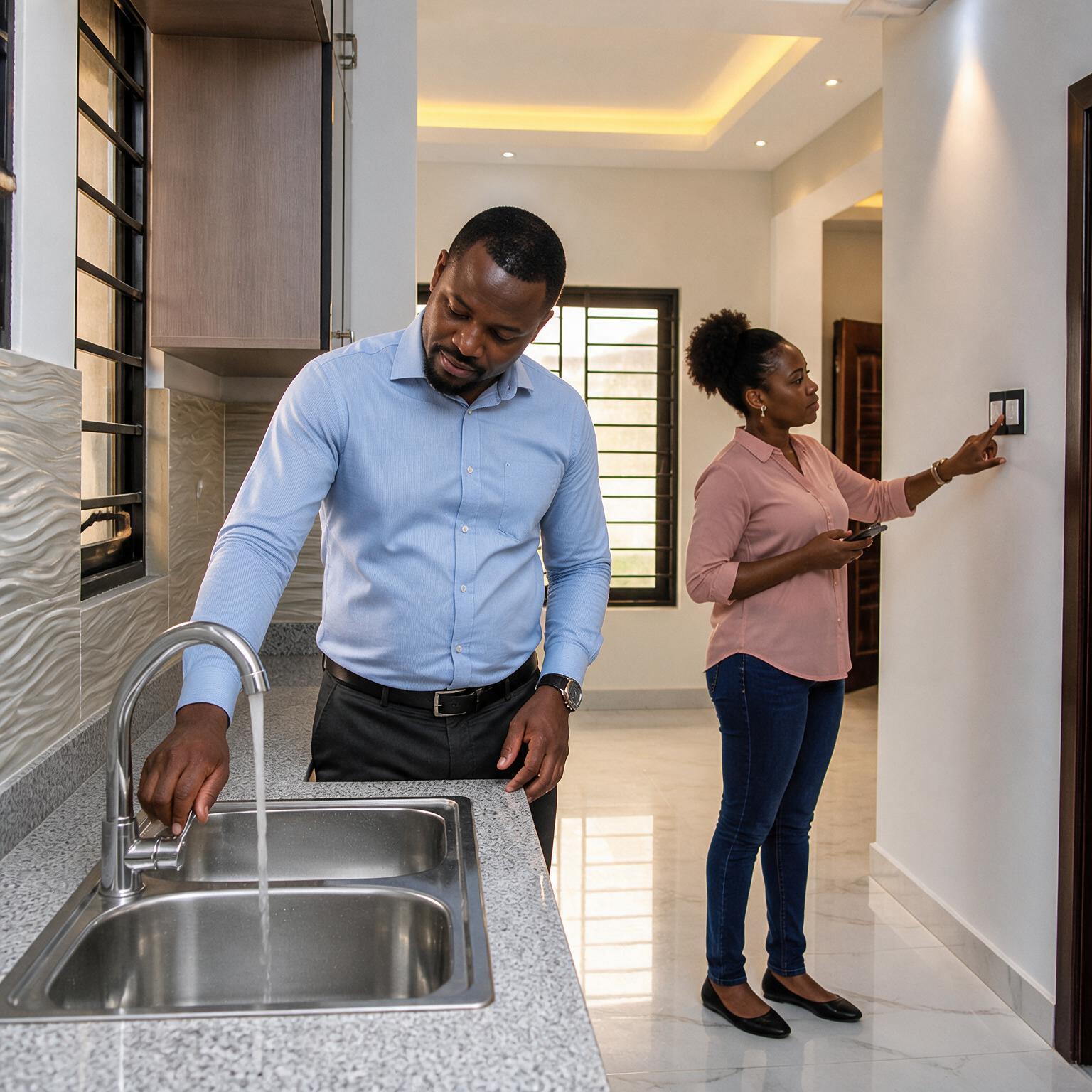
Turn on taps to check water pressure, flush toilets, switch on lights, test electrical sockets where appropriate, and open windows and doors. If the property has backup utilities such as a water reservoir or generator, ask how they’re maintained and whether they’re in good working condition.
These simple checks can reveal issues that aren’t obvious at first glance and help you avoid unexpected maintenance costs after moving in.
-
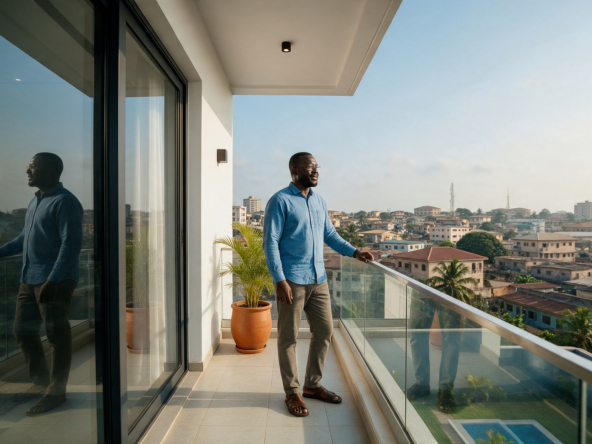
- Evaluate the Neighbourhood, Not Just the Property
Buying a home means investing in its surroundings as much as the building itself.
Take time to assess the neighbourhood by considering:
Accessibility to major roads.
Security within the area.
Drainage, especially during the rainy season.
Nearby schools, healthcare facilities, and shopping centres.
Noise levels and overall environment.
A well-located property often holds its value better and provides a more enjoyable living experience over time.
- Ask Questions That Reveal the Full Picture
A property viewing isn’t just about observation, it’s also an opportunity to gather information.
Some useful questions include:
Why is the property being sold?
How long has it been on the market?
Have there been any recent repairs or renovations?
Are there recurring maintenance issues?
What costs should I expect beyond the purchase price, such as service charges or management fees?
The answers can help you understand the property’s history, ongoing costs, and whether there are any concerns that may not be immediately visible.
- Take Notes Before You Leave
If you’re viewing multiple properties, it’s surprisingly easy to confuse one with another.
Before leaving, make a record of what you’ve seen. Take photos where permitted, note both the property’s strengths and weaknesses, and write down any questions that still need answers.
Comparing your notes after several viewings allows you to evaluate properties objectively rather than relying on memory or first impressions.
The best buying decisions are usually made after careful comparison, not emotion.
A Good Viewing Today Can Save You Money Tomorrow
A property viewing is more than a walkthrough; it’s your opportunity to evaluate whether a home is worth your investment. Looking beyond the finishes, inspecting the building’s condition, testing key features, assessing the neighbourhood, asking the right questions, and documenting your observations can help you make a confident and informed decision.
At Keystone Group Ghana, we believe buying a property should never feel uncertain. Our team guides buyers through every stage of the process, from identifying verified properties to arranging viewings and providing the information needed to make informed decisions.
The right property isn’t simply the one that looks impressive during a viewing, it’s the one that continues to deliver value long after you’ve collected the keys.