Two properties can be the same age and look completely different.
One may still feel functional, well-kept and relevant years after it was built. Another may already look tired, require constant attention and feel poorly suited to the way people live today.
Age alone does not explain the difference.
How a property is built, what goes into it, how it is maintained and whether it can adapt over time all influence how well it ages.
Here are five factors that make a difference.
- The Quality of What Goes Into the Property
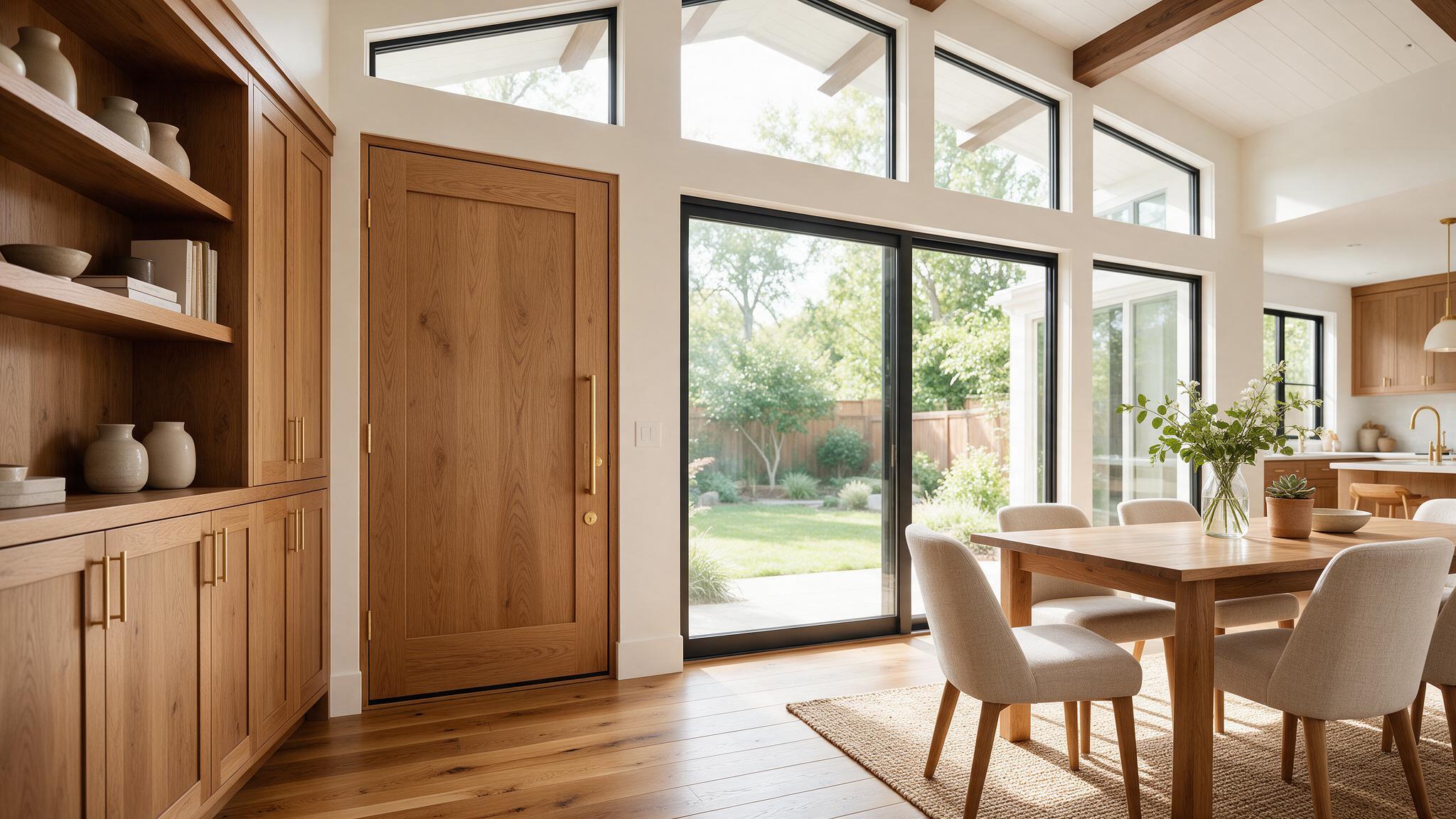
Materials have a direct impact on how a property looks and performs over time.
Flooring, cabinetry, sanitary fittings, doors, windows, worktops and other finishes experience regular use. Poor-quality materials may deteriorate quickly, while well-selected materials can remain functional and presentable for much longer.
But quality does not always mean choosing the most expensive option.
The more important consideration is whether the material is appropriate for its purpose, suited to the environment and capable of handling the level of use it will receive.
A property built and finished with durability in mind has a better foundation for ageing well.
- How Well the Property Is Maintained
Even a well-built property will deteriorate if problems are continually ignored.
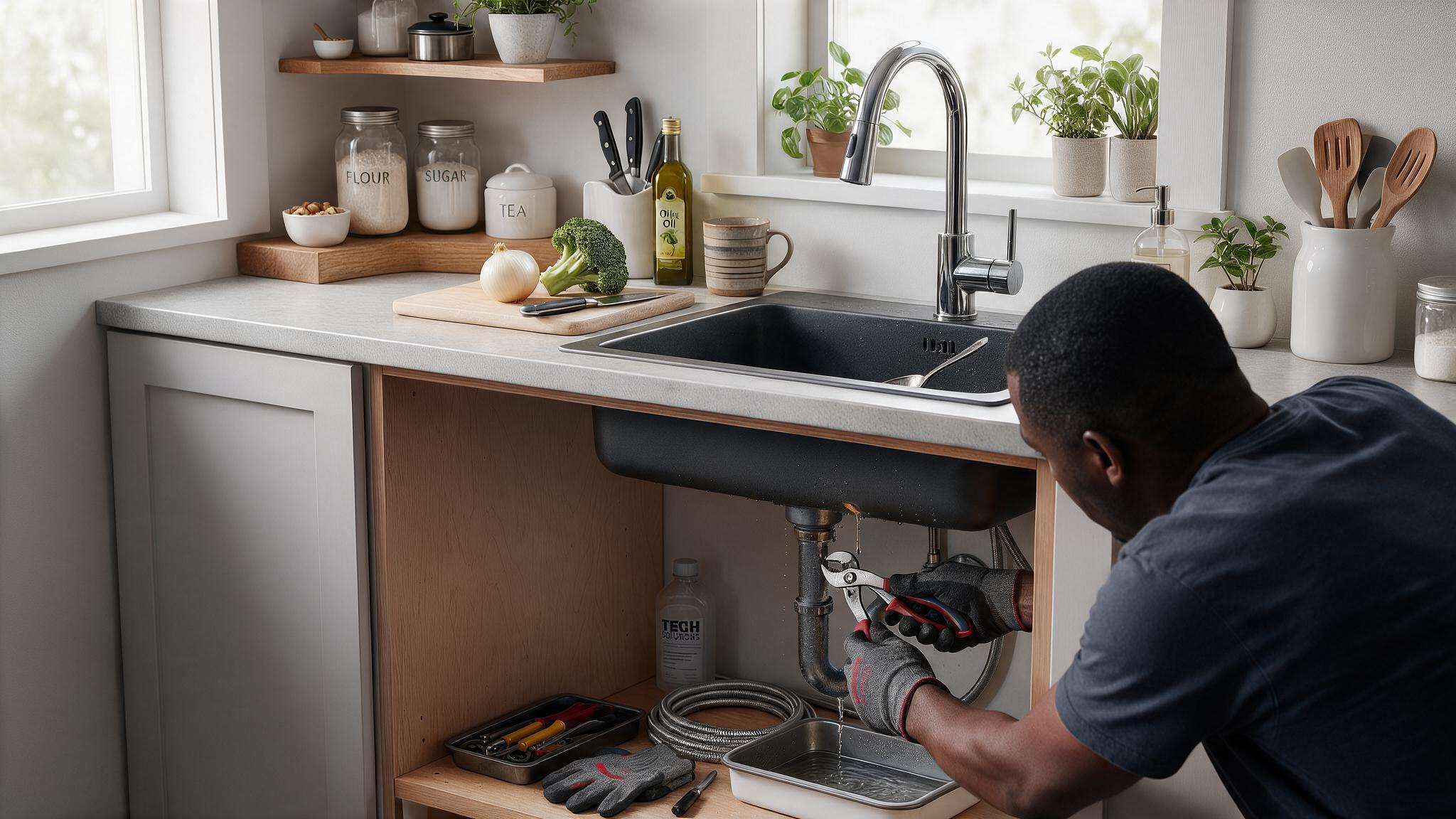
Small issues can develop into larger ones when they are left unattended. A minor leak can affect surrounding areas. Poor ventilation can contribute to damp and deterioration. Faulty fixtures can create additional problems when they are not addressed properly.
Regular inspections and timely maintenance help identify issues before they become more difficult and expensive to resolve.
This is one reason property management matters beyond simply responding when something breaks. The condition of a property is shaped by what is done between major repairs.
- Whether the Design Can Adapt
A property can be well-built and well-maintained but still become outdated if it cannot accommodate changing needs.
The way people use their homes and workspaces has changed considerably. Spaces may now need to accommodate remote work, greater storage, different household arrangements or more flexible use of rooms.
Properties that allow rooms to serve different purposes can remain useful for longer.
Adaptability does not necessarily require a major structural redesign. Sometimes it comes from a sensible layout, sufficient storage, flexible spaces and infrastructure that can accommodate changes without extensive alteration.
- How the Property Handles Everyday Use
A property is not a showroom. It has to withstand daily life.
Kitchens, bathrooms, entrances, corridors and other high-use areas experience more wear than rooms that are used occasionally. The quality of their fittings, surfaces and installation can therefore have a noticeable effect on how the property ages.
Practical design matters here.
Easy-to-maintain surfaces, durable fittings, sensible storage and layouts that support everyday movement can reduce unnecessary wear and make the property easier to maintain.
A property designed around how people actually use it is more likely to remain functional as the years pass.
- Whether It Is Refurbished Thoughtfully
Ageing well does not mean leaving a property untouched.
There comes a point when finishes become dated, spaces no longer function as they should or parts of the property need to be replaced.
The difference is in how those changes are approached.
A thoughtful refurbishment addresses what genuinely needs improvement while retaining features that still work. It considers the property’s structure, character and intended use rather than replacing everything simply because it is old.
This allows an older property to remain relevant without losing what makes it distinctive.
Age Is Only Part of the Building Story
A property’s year of construction tells you when it was built. It does not tell you how well it will perform twenty or thirty years later.
That depends on the quality of its materials, the standard of its maintenance, how it was designed, how it is used and whether it can be adapted when circumstances change.
This is why two properties of the same age can have very different futures.
A property ages well when the decisions made about it continue to make sense long after the original construction is complete.