A house can look perfect, have everything on your checklist, and still be a terrible buy.
The expensive problems are often the ones you do not notice during a viewing. They can sit behind fresh paint, appear only after heavy rain, become obvious during your daily commute, or surface when you start checking the property’s documents.
That is why house hunting in Ghana requires more than comparing bedrooms, finishes and asking prices. A property needs to make sense as a building, a location, a financial commitment and a long-term decision.
Whether you are renting, buying your first home, purchasing property in Accra, or looking for a real estate investment, knowing what to investigate can help you avoid taking on problems you never planned to buy.
Here are the red flags worth paying attention to before you commit.
-
-
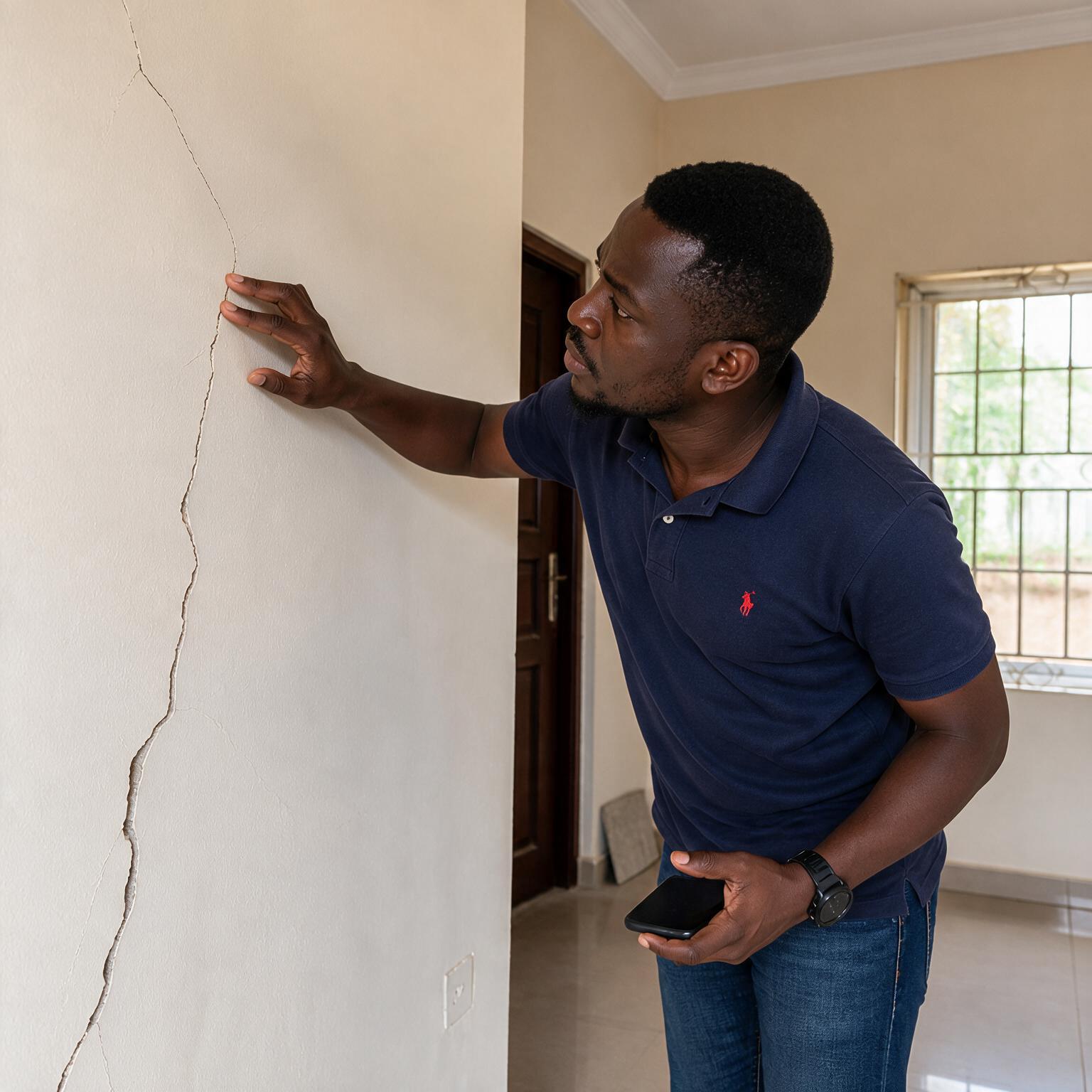
- Fresh Finishes That Raise More Questions Than Answers
- A freshly painted house is not automatically a warning sign. But when new finishes appear alongside cracks, damp patches, mould, stains or recently repaired sections, look closer.
Pay attention to ceilings, bathroom walls, areas beneath sinks, window frames and sections that appear recently patched.
The question is not whether the property has been renovated. It is why the work was necessary and whether the underlying problem was actually fixed.
A property can look move-in ready while still carrying problems that could become expensive later.
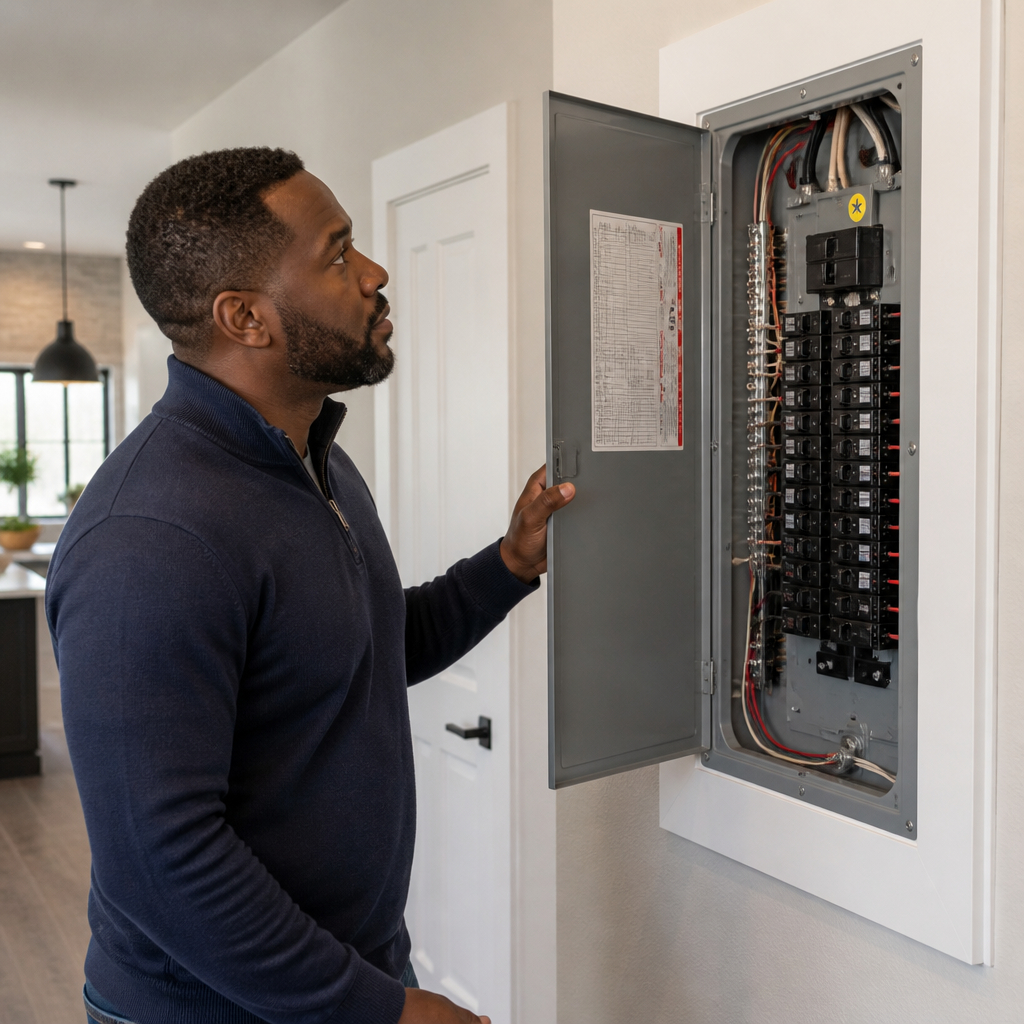
- Unclear Water, Power or Drainage Arrangements
A beautifully finished house can become difficult to live in if its basic infrastructure is unreliable.
Ask specific questions about water supply, storage, electricity, backup power, drainage and waste management.
Do not simply ask whether water and electricity are available. Find out how reliably they are available and what happens when they are not.
Drainage deserves particular attention in Ghana. A property that looks fine during a dry-season viewing may present a very different picture after heavy rainfall.
Where possible, speak with neighbours or current occupants. Their experience can reveal problems that a short viewing cannot.
- The Neighbourhood Does Not Match Your Lifestyle
A good house in the wrong environment can still be the wrong property.
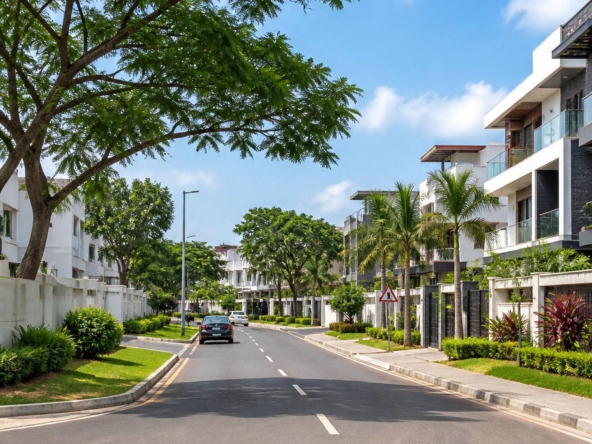
Consider noise, traffic, security, street lighting, nearby businesses, waste management, road conditions and the general character of the area.
The priorities will also depend on why you are buying. A family may care about schools, healthcare and everyday convenience, while an investor may be more concerned with tenant demand and rental potential.
Visit the area at different times where possible. You are not only buying a building; you are choosing its surroundings.
- The Location Looks Better on the Listing Than It Feels on the Road
A property described as being “close to major amenities” may not be as convenient as it sounds.
Test the journey yourself.
How long does it take to reach your workplace, school, shopping areas, healthcare facilities or major roads? What happens during peak traffic? How accessible is the property when it rains?
For buyers considering property in Accra, these questions matter because travel time can significantly affect everyday life.
Location is more than an address. It can influence convenience, demand, rental appeal and long-term value.
-
- Important Property Information Is Difficult to Verify
Some red flags cannot be seen during a viewing.
Be cautious when important questions about ownership, documentation, property boundaries, previous transactions or other material details are repeatedly met with vague answers.
Before committing funds, buyers should have the opportunity to carry out appropriate due diligence and establish what they are actually purchasing.
Do not allow excitement about a property to replace verification.
The larger the financial commitment, the more important it is to know exactly what you are buying and who has the right to sell it.
- The Asking Price Is Not the Full Financial Commitment
The advertised price is only one part of the cost of buying a property.
Depending on the transaction, buyers may also need to consider agency fees, legal and documentation costs, service charges, renovations, maintenance, utilities and other expenses.
Then there is the cost of getting the property into the condition you want.
A lower-priced property requiring extensive repairs may ultimately cost more than a property with a higher purchase price and fewer immediate expenses.
Before making an offer, ask:
“Can I afford to own and maintain this property comfortably?”
- The Property Does Not Make Sense as an Investment
If you are buying property as an investment, liking the house is not enough.
Consider the location’s demand, likely rental market, surrounding development, potential income and how easily the property could be resold.
A property can be attractive and still be difficult to rent or sell.
Investors need to assess the market fundamentals behind the property, not just its appearance.
- You Are Being Rushed Into a Decision
There is a difference between a property being in demand and a buyer being pressured into acting before they have enough information.
If you are being pushed to transfer money, sign documents or commit before you have properly inspected the property, asked questions and completed the necessary checks, slow the process down.
A genuine opportunity should withstand reasonable due diligence.
Missing one property is usually cheaper than buying the wrong one.
Look Beyond the First Impression
House hunting is exciting, but the strongest property decisions are rarely based on appearance alone.
Look at the building. Look at the neighbourhood. Look at the infrastructure. Look at the numbers. Look at the documentation. And consider what the property could mean for you several years from now.
For buyers in Ghana, particularly those navigating the Accra property market, professional guidance can help bring greater clarity to a significant financial decision.
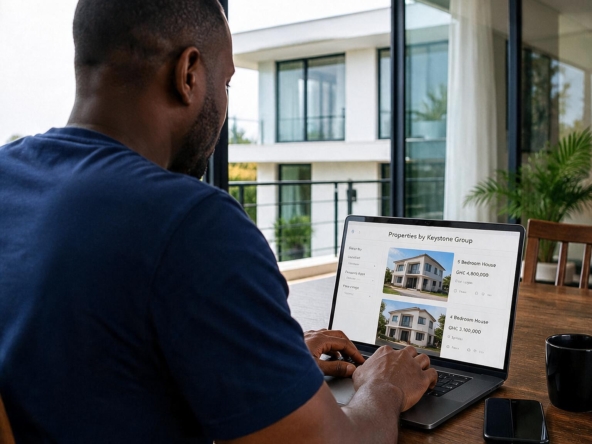
Keystone Group Ghana helps buyers navigate the property market with access to verified listings, property information and professional guidance designed to support more informed decisions.
Because when buying property, what you notice matters but what you discover before you buy matters even more.