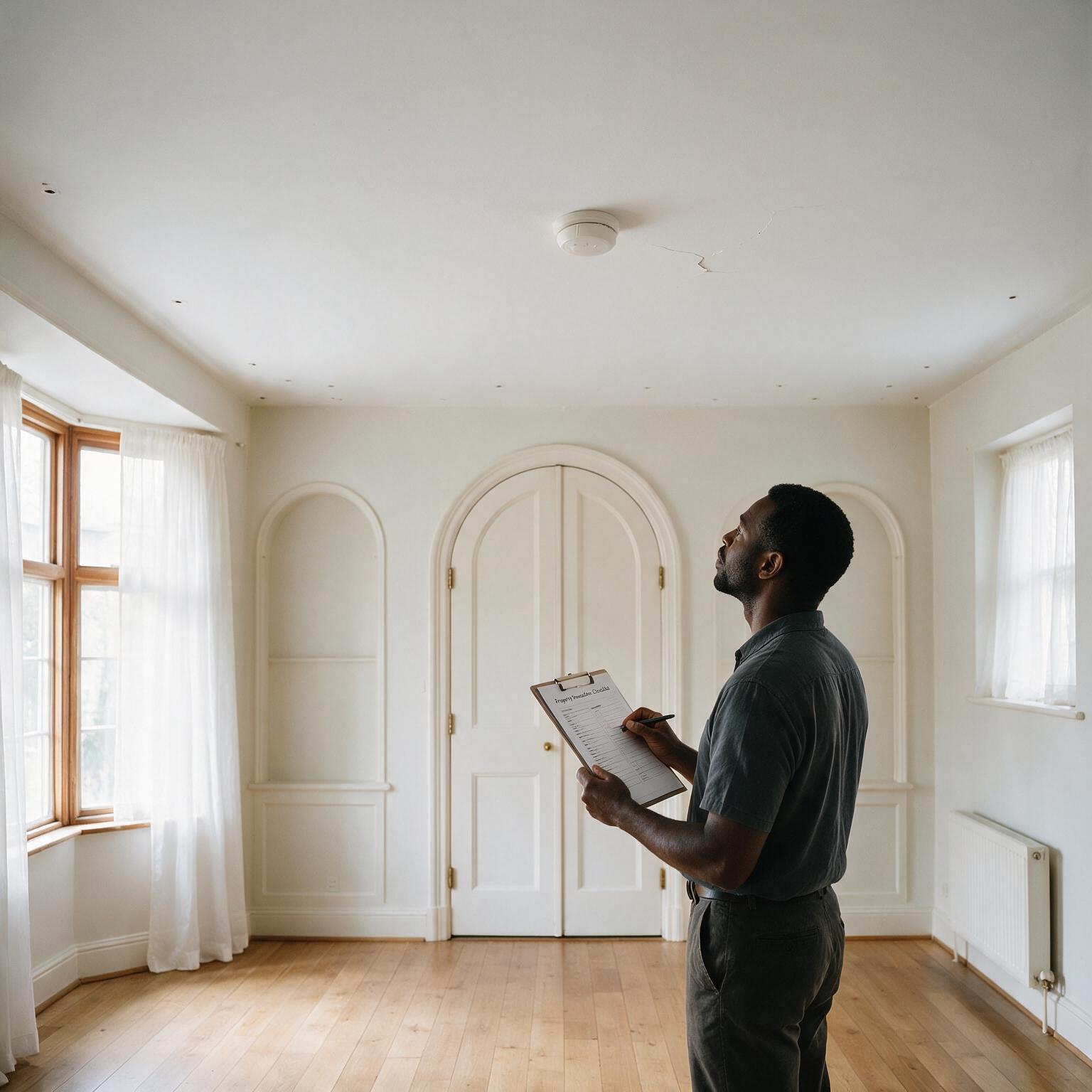
Your property does not need a tenant to lose value.
A house can sit empty for months and still develop expensive problems; a leaking roof after heavy rainfall, damaged fittings, drainage issues, security concerns, or maintenance problems that remain unnoticed until the repair costs begin to add up.
Many property owners assume that locking the doors is enough to protect an empty house. In reality, a vacant property requires active management to preserve its condition, market value, and long-term investment potential.
Whether your property is waiting for a tenant, preparing for sale, or sitting empty while you are outside Ghana, protecting it requires more than occasional visits. It requires a clear system for monitoring, maintaining, and securing the property.
Here are the steps every property owner should consider when protecting a vacant property in Ghana.
-
-
- Make Sure Your Property Does Not Look Abandoned
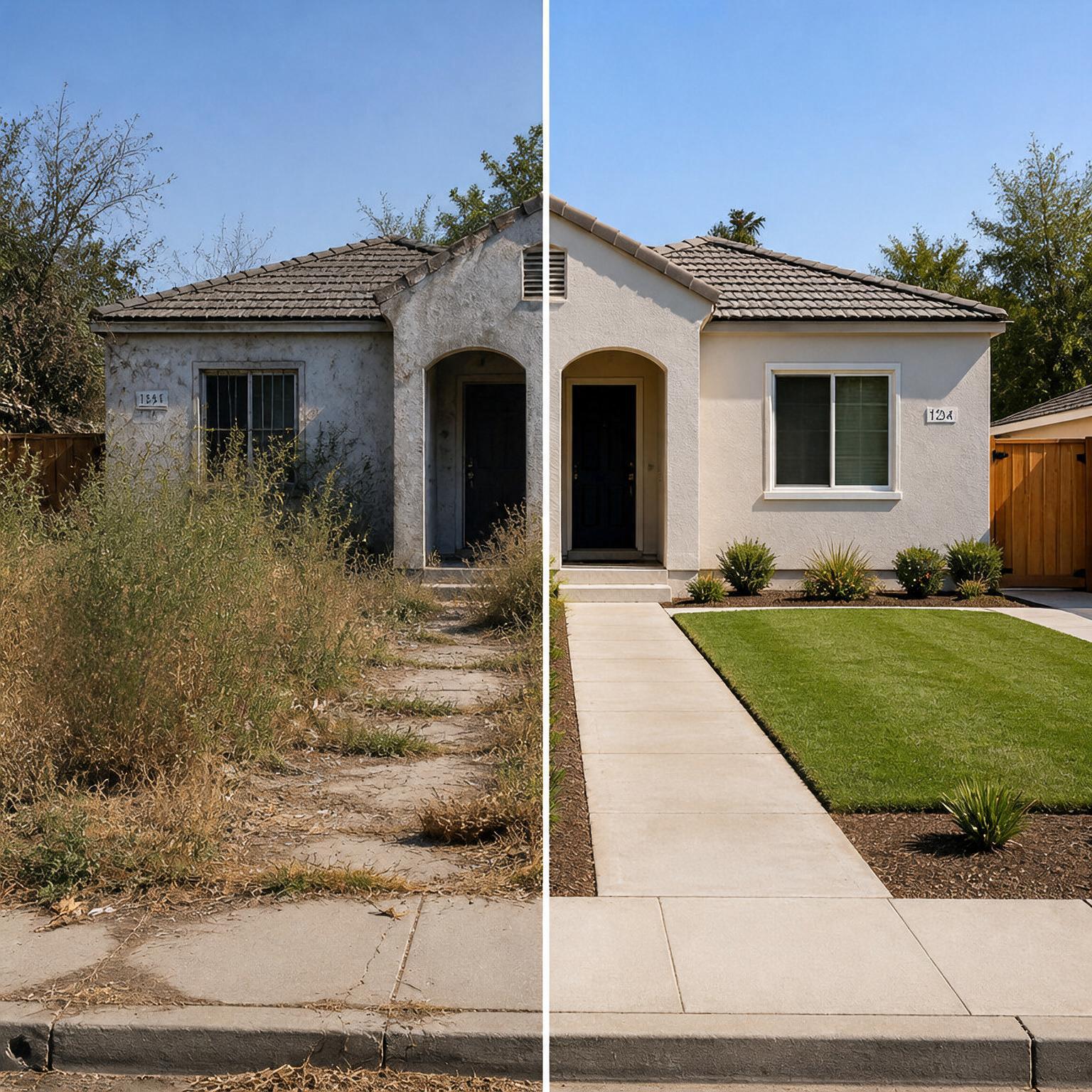
A vacant property should never appear forgotten.
An overgrown compound, accumulated flyers, dusty windows, or poorly maintained surroundings can quickly signal that nobody is regularly checking the property. This not only affects how the property is perceived but can also increase security risks.
Simple actions can make a significant difference:
Keep the compound clean and maintained.
Arrange regular visits to the property.
Maintain outdoor areas.
Ensure exterior lighting is functional.
Remove signs that suggest the property has been unattended for a long period.
A well-maintained appearance creates the impression that the property is actively managed, even when no one is living there.
- Conduct Regular Inspections to Catch Problems Early
The most expensive property issues often begin as small problems that go unnoticed.
A minor roof leak can damage ceilings and walls. Poor drainage can affect the structure of a building. A small electrical fault can become a larger safety concern if it is not identified early.
Regular property inspections allow owners to identify issues before they affect the property’s condition and value.
For properties in Accra and other parts of Ghana, inspections are especially important due to factors such as seasonal rainfall, humidity, dust, and changing weather conditions that can gradually affect buildings.
For landlords living abroad or investors managing multiple properties, professional inspections provide visibility and ensure problems are addressed promptly.
- Protect the Documents That Support Your Investment
Protecting a property is not only about maintaining the physical building. It also involves keeping important records organised and accessible.
Property owners should maintain records such as:
Ownership documents.
Maintenance history.
Inspection reports.
Contractor information.
Insurance records where applicable.
Proper documentation helps simplify future decisions, whether the property is being rented, sold, or transferred.
It also allows property managers to oversee the asset more effectively and make informed recommendations when maintenance or improvements are required.
-
- Prioritise Preventive Maintenance
An empty property still experiences wear and tear.
Many owners only think about maintenance when there is a visible problem, but waiting until something breaks can result in higher costs and unnecessary delays.
Preventive maintenance may include:
Checking roofs and gutters before and during rainy seasons.
Inspecting drainage systems.
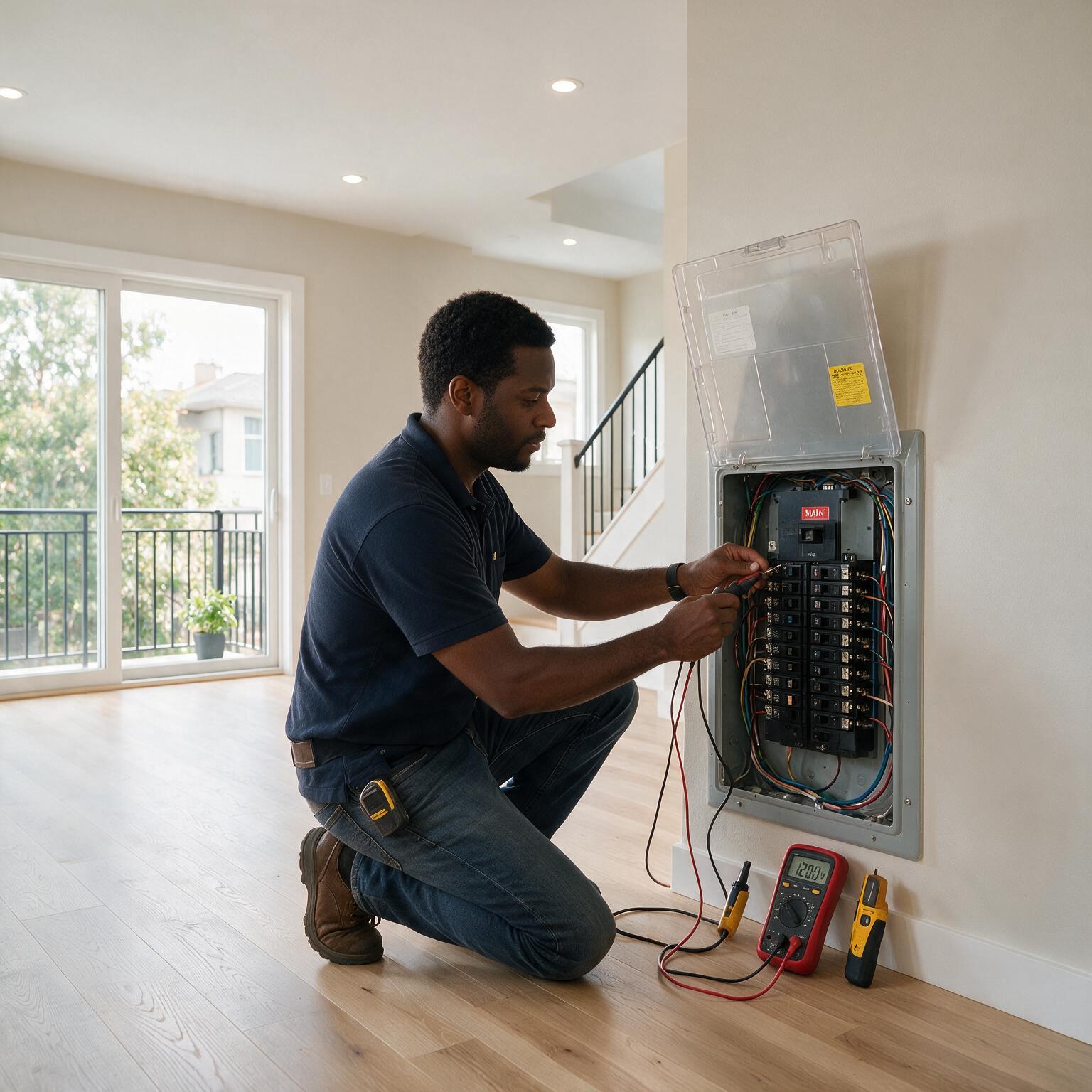
Monitoring plumbing and electrical installations.
Looking for signs of dampness, mold, or pests.
Ensuring external areas remain in good condition.
The goal is not simply to fix problems when they appear, it is to reduce the chances of those problems happening in the first place.
A well-maintained property preserves its value and remains attractive to future tenants or buyers.
- Think Beyond Locks and Gates
Security is one of the biggest concerns for vacant property owners, but effective protection goes beyond simply locking doors and windows.
Depending on the location and type of property, security measures may include:
Strong locks and secure entry points.
Exterior lighting.
CCTV monitoring.
Alarm systems.
Regular security checks.
However, security systems are most effective when combined with consistent monitoring.
A vacant property that is regularly inspected and maintained is less likely to become vulnerable because issues can be identified and addressed quickly.
A Vacant Property Should Still Be an Active Investment
An empty property does not stop being an investment simply because nobody is living in it.
Without proper attention, its condition can decline, maintenance costs can increase, and its market value can be affected. But with the right systems in place, a vacant property can remain secure, well maintained, and ready for its next opportunity.
With Keystone Group Ghana, we help property owners protect and maximise the value of their investments through professional property management solutions, routine inspections, maintenance coordination, and expert guidance tailored to Ghana’s real estate market.
Whether your property is between tenants, waiting to be sold, or being held as a long-term investment, having the right management approach ensures it continues to deliver value.
A vacant property may be empty, but it should never be unmanaged.